



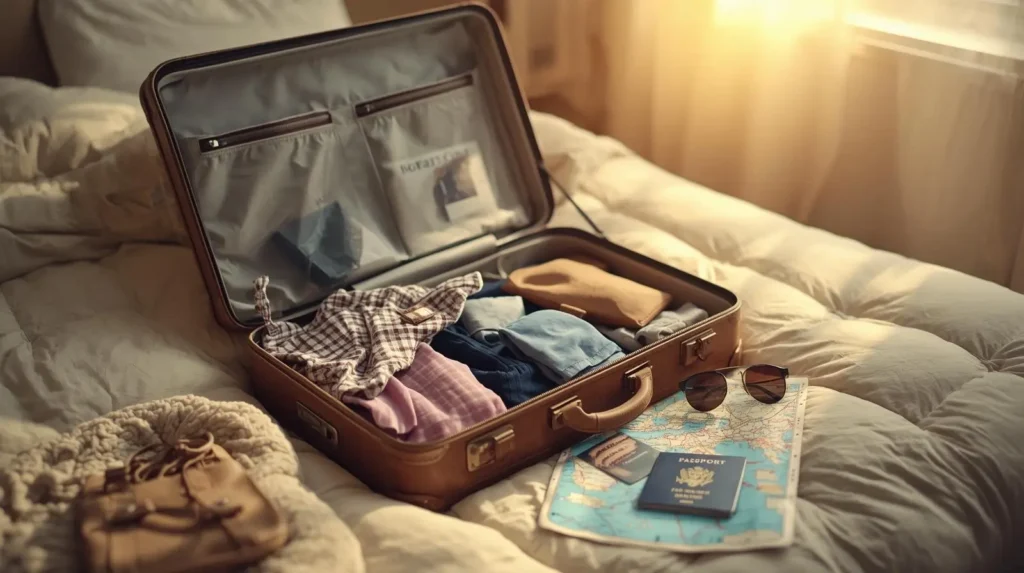
What to Pack for Europe Trip 2025
Planning your dream European adventure but feeling overwhelmed about what to pack for Europe trip? You’re not alone! Packing smart for Europe is crucial for several reasons: the continent’s unpredictable weather patterns, strict budget airline baggage restrictions, and the sheer amount of walking you’ll do exploring cobblestone streets and historic sites. The right packing strategy can save you money on baggage fees, keep you comfortable in varying climates, and ensure you have everything you need for an unforgettable journey across Europe.
Table of Contents
- Introduction
- Europe Packing List Essentials
- Clothing by Season
- Regional Packing Tips
- Shoes & Accessories
- Carry-On & Luggage Tips
- Travel Essentials for Americans
- What NOT to Pack for Europe
- Sample Packing Checklist
- Conclusion + Call to Action
Europe Packing List Essentials
Before diving into seasonal clothing and regional specifics, let’s cover the absolute must-haves for your Europe travel essentials.
Documents
Your European trip checklist should always start with proper documentation:
- Valid passport (with at least 6 months validity remaining)
- Visa documents (if required for your nationality)
- Travel insurance policy and emergency contact information
- Digital and physical copies of all important documents stored separately
- International driving permit (if you plan to rent a car)
- Student ID or senior discounts cards for museum and attraction savings
Electronics
Modern travel requires staying connected and powered up:
- Universal travel adapter (Type C and Type G for most European countries)
- Portable power bank (10,000mAh minimum for long sightseeing days)
- Smartphone with international plan or eSIM
- Camera with extra memory cards and batteries
- Tablet or e-reader for entertainment during long train rides
Money & Cards
Financial preparation is crucial for European travel:
- Mix of EUR and local currency for countries outside the Eurozone
- Travel-friendly credit cards with no foreign transaction fees
- Backup debit card from a different bank
- Small amount of USD as emergency backup
- Money belt or hidden wallet for security in crowded tourist areas
Clothing by Season
Understanding what to wear in Europe throughout different seasons is essential for comfortable travel.
Summer Packing List for Europe (June-August)
Summer in Europe can be surprisingly varied. Here’s what to wear in Europe summer:
- Lightweight, breathable fabrics like cotton and linen
- 3-4 t-shirts and tank tops in quick-dry materials
- 2-3 pairs of shorts and one pair of lightweight pants
- Sundresses (versatile for day and evening)
- Light cardigan or hoodie for air-conditioned spaces and cool evenings
- Swimwear (essential for Mediterranean beaches)
- Sun hat and sunglasses
- Comfortable sandals with good support
Winter Packing List for Europe (December-February)
European winters demand serious preparation. Here’s what to wear in Europe winter:
- Thermal base layers (merino wool is ideal)
- Warm sweaters and fleeces for layering
- Insulated, waterproof winter coat
- Warm pants and thermal leggings
- Waterproof winter boots with good traction
- Warm hat, gloves, and scarf
- Wool socks (pack extra pairs)
- Indoor shoes or slippers for accommodations
Spring & Autumn Packing Advice (March-May, September-November)
These shoulder seasons offer the best weather but require versatile packing:
- Layering pieces that you can add or remove
- Medium-weight jacket or rain coat
- Long-sleeve shirts and light sweaters
- Versatile pants that work for walking and dining out
- Closed-toe shoes with good support
- Light scarf for style and warmth
- Mix of short and long-sleeve options
Regional Packing Tips
Europe’s diverse geography means your packing tips for Europe travel should vary by region.
Northern Europe (Scandinavia, Baltics, Northern UK)
- Waterproof everything – rain is frequent and unpredictable
- Warm layers year-round – even summer evenings can be cool
- Quality rain jacket and pants
- Insulated, waterproof boots
- Quick-dry clothing for outdoor activities
Southern Europe (Italy, Spain, Greece, Portugal)
- Sun protection is crucial – high SPF sunscreen and hats
- Lightweight, loose-fitting clothes for hot days
- Modest clothing for religious sites (covered shoulders and knees)
- Comfortable walking sandals for ancient ruins and beaches
- Light evening wear for al fresco dining
Central & Western Europe (France, Germany, Netherlands, Austria)
- Prepared for any weather – these regions can be unpredictable
- Smart casual clothing for city exploration
- Comfortable walking shoes for cobblestone streets
- Light rain protection
- Versatile pieces that transition from day to night
Shoes & Accessories
Choosing the best shoes for walking in Europe can make or break your trip.
Comfortable Walking Shoes
Your feet will thank you for investing in quality footwear:
- Broken-in sneakers or walking shoes (never wear new shoes on a trip)
- Supportive insoles if you have foot issues
- Moisture-wicking socks to prevent blisters
- Blister prevention patches just in case
Dress Shoes for Evenings
Europeans tend to dress up more than Americans:
- One pair of dressier shoes for nice restaurants and cultural events
- Comfortable flats or low heels for women
- Leather shoes or loafers for men
- Versatile colors that match multiple outfits
Rain Gear
European weather is notoriously unpredictable:
- Compact umbrella that fits in your day bag
- Lightweight rain jacket with a hood
- Waterproof shoe covers for heavy rain days
- Ziplock bags to protect electronics and documents
Carry-On & Luggage Tips
Mastering your carry-on packing list for Europe is essential, especially with budget airlines.
Best Suitcase Size for Budget Airlines
Budget carriers like Ryanair and EasyJet have strict size limits:
- 55cm x 40cm x 20cm is the standard maximum for most European budget airlines
- Soft-sided luggage offers more flexibility than hard cases
- Wheeled bags save your energy for sightseeing
- Check individual airline policies as they can vary
Carry-On Only Strategies
Traveling light has numerous advantages:
- Roll, don’t fold clothes to save 30% more space
- Wear your heaviest items on the plane (boots, coats, etc.)
- Multi-purpose items like sarongs that work as towels, blankets, or cover-ups
- Limit yourself to 2-3 pairs of shoes maximum
Packing Cubes & Compression Bags
Organization is key to efficient packing:
- Packing cubes keep similar items together and compress clothes
- Compression bags can reduce bulky items by 50%
- Mesh laundry bags separate dirty clothes and double as organization
- Ziplock bags for toiletries and electronics protection
Travel Essentials for Americans
Specific Europe travel essentials for Americans include understanding different systems and standards.
Power Adapters & Voltage Info
European electrical systems differ from North American ones:
- Type C (Europlug) works in most continental European countries
- Type G needed for UK and Ireland
- Universal adapter covers all your bases
- Voltage converter only needed for older electronics (most modern devices handle 110-240V)
Toiletries & Medications
European standards and availability can differ:
- Prescription medications in original bottles with extra supplies
- Basic first aid kit with bandages and pain relievers
- Familiar toiletries (European brands may differ)
- Contact lens supplies if you wear them
- Sunscreen (European SPF ratings differ from US)
Language Apps & Communication
Breaking language barriers enhances your experience:
- Google Translate app with offline language downloads
- Duolingo or similar language learning apps
- Physical phrasebook as backup for areas with poor internet
- Currency converter app
- Public transit apps for major cities
What NOT to Pack for Europe
Learning what not to pack for Europe trip is just as important as knowing what to bring.
Heavy Clothing & Too Many Options
- Avoid overpacking “just in case” items – European cities have stores too
- Skip heavy coats in summer (even for air conditioning)
- Limit color schemes to mix-and-match easily
- One week’s worth of clothes maximum – you can do laundry
Too Many Electronics
- Hair dryers and straighteners (most accommodations provide these)
- Multiple charging cables (bring one good multi-device charger)
- Large electronics that you won’t realistically use
- Expensive gadgets that could be lost or stolen
Expensive Jewelry
- Leave valuable jewelry at home – it’s a theft risk and unnecessary stress
- Bring only basic pieces you’d be okay losing
- Consider temporary/fashion jewelry instead
- Wedding rings and watches are usually fine but be cautious
Sample Packing Checklist
Here’s a practical Europe packing list 2025 organized by category:
Documents & Money
- [ ] Passport (valid 6+ months)
- [ ] Travel insurance documents
- [ ] Copies of important documents
- [ ] Credit/debit cards
- [ ] Small amount of cash (EUR + local currency)
Electronics
- [ ] Smartphone + charger
- [ ] Universal power adapter
- [ ] Portable power bank
- [ ] Camera + extra batteries/memory
- [ ] Headphones
Clothing (adjust by season)
- [ ] 3-4 tops
- [ ] 2-3 bottoms
- [ ] 1 dress/nice outfit
- [ ] Underwear for 7 days
- [ ] Socks for 7 days
- [ ] Sleepwear
- [ ] Light jacket/cardigan
- [ ] Rain jacket (if needed)
Footwear
- [ ] Comfortable walking shoes
- [ ] Dressier shoes for evenings
- [ ] Sandals/flip-flops (summer)
Toiletries & Health
- [ ] Toothbrush + toothpaste
- [ ] Shampoo/conditioner (travel size)
- [ ] Deodorant
- [ ] Skincare essentials
- [ ] Prescription medications
- [ ] Sunscreen
- [ ] Basic first aid supplies
Accessories & Miscellaneous
- [ ] Day backpack or purse
- [ ] Umbrella (compact)
- [ ] Sunglasses
- [ ] Hat/cap
- [ ] Travel pillow
- [ ] Ziplock bags
- [ ] Packing cubes
Conclusion + Call to Action
Packing for Europe doesn’t have to be stressful when you follow a systematic approach. Remember, it’s better to pack light and buy items you need along the way than to lug around unnecessary weight. Europeans are excellent at creating functional, stylish clothing and gear, so don’t worry about finding quality items during your travels.
The key to successful European travel packing is versatility, comfort, and preparation for various weather conditions. Focus on quality basics that can be mixed, matched, and layered rather than bringing an outfit for every possible scenario.
Now that you know what to pack for your Europe trip, compare and book cheap flights on gluxal.com to start your journey. With smart packing and great flight deals, your European adventure is just around the corner!
👉 Start Planning Your Dream Trip Today!
Ready to turn your travel dreams into reality? Compare cheap flights and hotel deals for your next adventure at Gluxal.com – your gateway to exploring the world’s most incredible destinations at unbeatable prices. Your perfect trip is just one click away!
Dive Deeper into the World of Gluxal Articles :
Unlocking the Best Time to Find Cheap Flights: Your Ultimate Guide 2025
Travel Free: Unlocking the Secrets to Affordable and Exciting Travel Experiences
The 5 Best Websites to Find the Cheapest Flight Tickets in 2025
The best island to go to in the caribbean: A Comprehensive Guide
The World’s Best 10 Cities for 2025: A Comprehensive Travel Guide
The Best Islands in the World: A Paradise Beyond Imagination
Last updated: September 2025