



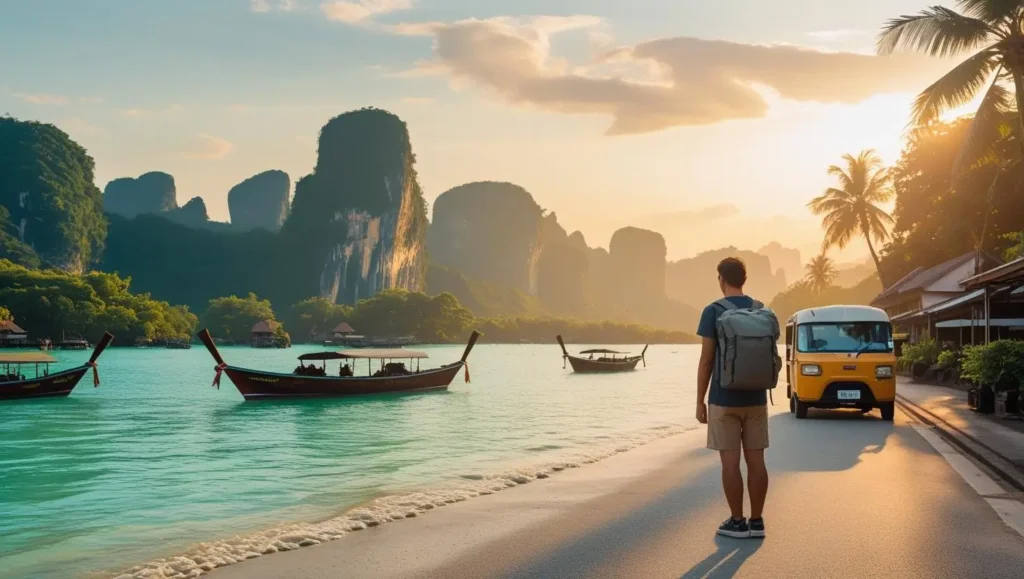
Picture this: You’re scrolling through Instagram, mesmerized by sunset photos of floating lanterns over Chiang Mai, pristine beaches in Krabi, and bustling night markets in Bangkok. Your heart races with wanderlust, but then that familiar voice of doubt creeps in — is it safe to travel to Thailand right now?
You’re not alone in asking this question. Millions of travelers are drawn to Thailand’s irresistible blend of ancient temples, tropical beaches, mouth-watering street food, and legendary hospitality, yet safety concerns often hold them back from booking that flight. In 2025, Thailand continues to be one of Southeast Asia’s most enchanting destinations, welcoming over 35 million visitors annually and proving that the Land of Smiles remains as captivating as ever.
What sets Thailand apart isn’t just its affordability or stunning landscapes — it’s the way this country effortlessly weaves together golden Buddhist temples with modern cities, traditional hill tribes with cosmopolitan beach clubs, and centuries-old culture with contemporary innovation. Whether you’re a backpacker seeking adventure, a digital nomad looking for your next base, or a family planning the trip of a lifetime, Thailand offers experiences that will leave you planning your return before you’ve even left.
Table of Contents
- Is It Safe to Travel to Thailand?
- How Much Does It Cost to Travel to Thailand?
- Hidden Gems: Under Thailand Travelers’ Radar
- Cultural and Historical Insights into Thailand
- One-Week Optimized Thailand Itinerary
- Transportation Options in Thailand
- Frequently Asked Questions (FAQs)
Is It Safe to Travel to Thailand?
Is it safe to travel to Thailand right now in 2025? The short answer is yes — Thailand remains one of the safest destinations in Southeast Asia for tourists. With proper precautions and awareness, millions of travelers explore Thailand safely each year, creating memories that last a lifetime.
Current Safety Landscape
As of August 2025, Thailand maintains a relatively stable security environment for tourists. However, like any destination, staying informed is crucial. Recent developments include enhanced border security measures along certain areas, particularly near the Cambodia border where martial law has been declared in some districts. These measures don’t impact typical tourist areas but demonstrate Thailand’s proactive approach to security.
The U.S. State Department currently rates Thailand at Level 2 (Exercise Increased Caution), which is the same level as popular destinations like France and Germany. This rating reflects standard travel precautions rather than significant safety concerns.
Common Scams and How to Avoid Them
Thailand’s tourism success unfortunately attracts scammers targeting unsuspecting visitors. Here are the most common scams and prevention tips:
The Gem Scam: Friendly locals approach tourists near major attractions, claiming special gem sales. Solution: Politely decline and walk away. Legitimate gem dealers don’t approach strangers on the street.
Tuk-Tuk Tourist Traps: Drivers offer “special tours” to shops where they receive commissions. Solution: Agree on destinations and prices before getting in, or use Grab for transparent pricing.
Temple Dress Code Scam: Someone tells you your clothes are inappropriate for temple visits, then directs you to their overpriced clothing shop. Solution: Research dress codes beforehand and shop at regular stores for appropriate clothing.
Solo Female Travel Safety in Thailand
Is Thailand safe for solo female travelers? Absolutely, with standard precautions. Thailand ranks among the top destinations for women traveling alone, thanks to its welcoming culture and well-developed tourism infrastructure.
Safety tips for women travelers:
- Stay in well-reviewed accommodations in central areas
- Keep emergency contacts easily accessible
- Trust your instincts if situations feel uncomfortable
- Use reputable tour companies for activities
- Dress modestly when visiting temples and rural areas
- Carry a reliable phone with local SIM card
LGBTQ+ Traveler Safety
Thailand is widely considered one of Asia’s most LGBTQ+-friendly destinations. Bangkok and Phuket have vibrant LGBTQ+ scenes, and discrimination is rare in tourist areas. Thai culture generally embraces diversity, making it comfortable for LGBTQ+ travelers to explore freely.
Essential Safety Information
Emergency Numbers:
- Tourist Police: 1155
- TAT Call Centre: 1672
- General Emergency: 191
Embassy Contacts: Register with your embassy upon arrival for emergency communication.
Health Insurance: Comprehensive travel insurance is essential. Thailand has excellent healthcare, but costs can be significant without coverage.
Night Safety: Thai cities are generally safe at night, but stick to well-lit areas and avoid excessive drinking in unfamiliar locations.
How Much Does It Cost to Travel to Thailand?
How much does it cost to travel to Thailand in 2025? This question keeps many potential travelers up at night, calculating and recalculating budgets. The beautiful truth about Thailand is that it accommodates virtually every budget while delivering incredible value, whether you’re backpacking on $30 per day or indulging in luxury experiences.
Flight Costs to Thailand
International flights represent your largest single expense, varying dramatically by origin and timing:
From North America: $600-1,200 roundtrip From Europe: $400-900 roundtrip From Australia: $200-600 roundtrip From neighboring Asian countries: $100-400 roundtrip
Pro tip: Book flights 2-3 months in advance and consider flying midweek for better prices. Bangkok’s Suvarnabhumi Airport offers the most international connections, while Don Mueang serves budget carriers.
Accommodation Costs by Region
Thailand’s accommodation scene ranges from $6 hostel beds to $500+ luxury suites, with significant regional variations:
Bangkok:
- Hostel dorms: $8-15 per night
- Mid-range hotels: $25-60 per night
- Luxury hotels: $80-200+ per night
Chiang Mai (Northern Thailand):
- Hostels: $6-12 per night
- Boutique hotels: $20-50 per night
- Luxury resorts: $60-150 per night
Phuket/Southern Islands:
- Hostels: $10-20 per night
- Beach hotels: $40-80 per night
- Luxury resorts: $100-300+ per night
Note: Island accommodations cost 25-50% more than mainland options, especially during peak season (December-March).
Daily Food Budget
Thailand’s culinary scene offers incredible value for money, from street food stalls to fine dining establishments:
Budget Eating ($5-10 per day):
- Street food meals: $1-3
- Local restaurants: $2-5
- Fresh fruit from markets: $0.50-1
Mid-Range Dining ($15-25 per day):
- Restaurant meals: $5-10
- International cuisine: $8-15
- Coffee shops and cafes: $2-5
Luxury Dining ($30-50+ per day):
- Fine dining restaurants: $20-40+
- Hotel restaurants: $15-30
- Wine and imported alcohol: $8-20 per drink
Transportation Costs
Getting around Thailand efficiently and affordably:
Local Transportation (per day):
- Bangkok BTS/MRT: $2-5
- Tuk-tuks: $2-8 per ride
- Grab rides: $1-10 depending on distance
- Motorbike taxi: $0.50-2
Inter-City Travel:
- Domestic flights: $30-120 one-way
- Express buses: $8-20
- Train journeys: $10-35 (sleeper berths)
- Private car/driver: $50-80 per day
Activities and Attractions
Temple visits: Often free or $1-3 entrance Cooking classes: $20-40 Island tours: $25-60 Massages: $8-25 Muay Thai matches: $15-30 National parks: $3-10 entrance fees
Complete Budget Breakdown
Backpacker Budget ($25-35 per day):
- Accommodation: $6-12
- Food: $5-10
- Transportation: $3-8
- Activities: $5-10
- Miscellaneous: $2-5
Mid-Range Travel ($50-80 per day):
- Accommodation: $25-40
- Food: $15-25
- Transportation: $8-15
- Activities: $10-20
- Shopping/extras: $5-15
Luxury Experience ($100-200+ per day):
- Accommodation: $60-150+
- Food: $30-50+
- Transportation: $15-30
- Activities: $20-40+
- Shopping/spa: $20-50+
Hidden Gems: Under Thailand Travelers’ Radar
While millions flock to Bangkok’s temples and Phuket’s beaches, Thailand’s most magical experiences often lie in destinations that remain under most travelers’ radars. These hidden gems offer authentic Thai culture, breathtaking natural beauty, and the rare gift of exploration without crowds.
Sangkhlaburi: The Floating Village
Tucked away in Kanchanaburi Province near the Myanmar border, Sangkhlaburi feels like stepping into another world. This multi-ethnic town, home to Thai, Mon, and Karen communities, sits beside Thailand’s second-largest reservoir, creating an otherworldly landscape of half-submerged temples and floating houses.
The town’s crown jewel is the Mon wooden bridge, stretching 850 meters across the reservoir — one of the longest wooden bridges in the world. During dry season, you can explore the ruins of the old town, including the famous sunken temple that emerges from the water like an ancient ghost.
Why visit: Experience authentic multi-cultural Thailand, witness incredible sunrise reflections, and enjoy some of the country’s most peaceful boat rides.
Mae Hong Son Loop: The Land of 1,864 Curves
This mountainous region in northwestern Thailand offers a journey through some of the country’s most spectacular landscapes and diverse hill tribe cultures. The Mae Hong Son Loop — a 600-kilometer circuit through mountains, valleys, and traditional villages — provides an adventure far from typical tourist trails.
Visit Pai, a bohemian town that’s managed to maintain its charm despite growing popularity, where hot springs, waterfalls, and art cafes create a perfect blend of nature and creativity. Continue to Mae Hong Son town itself, often shrouded in morning mist and surrounded by 1,864 mountain curves (hence the region’s nickname).
Why visit: Experience hill tribe cultures, enjoy cooler mountain weather, and witness landscapes that feel more like Tibet than tropical Thailand.
Koh Yao Noi: The Peaceful Island
While tourists crowd onto Koh Phi Phi and Koh Samui, Koh Yao Noi remains blissfully quiet. This Muslim island in Phang Nga Bay offers traditional longtail boat fishing, rubber tree tapping, and some of Thailand’s most spectacular sunset views — all without the party crowds.
The island’s commitment to sustainable tourism means development remains limited and respectful of local culture. Bicycle through traditional villages, kayak through mangrove forests, or simply enjoy beaches where you might be the only visitor for hours.
Why visit: Experience authentic island life, enjoy world-class views without crowds, and support sustainable tourism practices.
Hidden Local Markets and Villages
Amphawa Floating Market: Unlike the touristy Damnoen Saduak, this weekend market maintains its local character. Come for fresh seafood cooked on boats and firefly watching tours.
Ban Rak Thai: This Chinese Nationalist village near the Myanmar border serves excellent Chinese tea and offers insights into Thailand’s complex ethnic tapestry.
Khlong Toei Market (Bangkok): The city’s largest fresh market operates from midnight to morning, offering an authentic glimpse of Bangkok’s food supply chain.
Cultural and Historical Insights into Thailand
Understanding Thailand’s rich cultural tapestry transforms casual sightseeing into meaningful connection. This ancient kingdom, never colonized by European powers, has maintained unique traditions while embracing modernity in ways that continue to surprise and delight visitors.
Temple Etiquette and Respectful Behavior
Thai temples (wats) are living spiritual centers, not just tourist attractions. Proper temple etiquette shows respect for Buddhist traditions and ensures welcome from local communities:
Dress Code Essentials:
- Cover shoulders and knees completely
- Remove shoes before entering temple buildings
- Avoid tight, revealing, or transparent clothing
- Sarongs and scarves are often available at major temples
Behavior Guidelines:
- Point feet away from Buddha images when sitting
- Never climb on Buddha statues for photos
- Speak quietly and move respectfully
- Photography may be restricted in certain areas
- Women should never touch monks directly
Traditional Greeting Customs
The traditional Thai greeting, the “wai,” reflects the country’s respect-based culture. Place palms together prayer-style at chest level and bow slightly. The higher you raise your hands, the more respect you show. However, tourists aren’t expected to wai perfectly — a genuine smile often communicates more than perfect technique.
A Historical Perspective: Thailand’s Diverse Heritage
Thailand’s strategic location along ancient trade routes has created one of Southeast Asia’s most culturally diverse nations. The influence extends beyond the dominant Thai-Buddhist culture to include Chinese, Indian, Malay, and various hill tribe traditions.
Interestingly, Thailand has long been a destination for travelers from around the world, including African Americans seeking opportunities during challenging periods in U.S. history. In the 1940s, some Black Americans found Thailand’s lack of institutionalized racial segregation refreshing compared to their home country, though historical records of such experiences remain limited. This early international diversity helped shape Thailand’s generally welcoming attitude toward visitors of all backgrounds.
Buddhism’s Daily Influence
Buddhism isn’t just religion in Thailand — it’s a way of life that influences everything from business practices to social interactions. Understanding key concepts enhances travel experiences:
Merit-making (tam bun): Performing good deeds to improve karma, often through temple donations or feeding monks.
Mindfulness practices: Many temples offer meditation sessions open to visitors, providing peaceful respite from travel excitement.
Festival participation: Buddhist holidays like Vesak Day or Songkran offer chances to witness authentic spiritual celebrations.
Modern Thailand’s Unique Character
Contemporary Thailand masterfully balances ancient traditions with modern innovation. Bangkok’s skyline bristles with cutting-edge architecture, yet street vendors still offer the same recipes their grandparents perfected. This juxtaposition — gleaming shopping malls next to centuries-old temples, Buddhist monks checking smartphones — creates Thailand’s distinctive character.
The concept of “sanuk” (fun) permeates Thai culture, explaining why even mundane activities often include laughter and social connection. This philosophy helps explain Thai people’s legendary hospitality and the country’s appeal to visitors seeking more than just sightseeing.
One-Week Optimized Thailand Itinerary
Crafting the perfect week in Thailand requires balancing must-see highlights with authentic experiences, allowing time for both adventure and relaxation. This carefully planned itinerary maximizes your exposure to Thailand’s diverse offerings while maintaining a realistic pace that prevents travel burnout.
Days 1-2: Bangkok – Urban Energy and Cultural Immersion
Day 1: Historical Bangkok Start early at the Grand Palace and Wat Phra Kaew (Temple of the Emerald Buddha), arriving when gates open at 8:30 AM to beat crowds and heat. The intricate architecture and spiritual significance make this Bangkok’s unmissable cultural experience.
Afternoon: Take a longtail boat along the Chao Phraya River to Wat Arun (Temple of Dawn). The steep climb to the temple’s summit rewards with panoramic city views.
Evening: Explore Chinatown’s Yaowarat Road for dinner, sampling street food from vendors who’ve perfected their recipes for generations.
Day 2: Modern Bangkok and Local Life Morning: Visit the enormous Chatuchak Weekend Market (weekends only) or explore Jim Thompson House, showcasing traditional Thai architecture and silk industry history.
Afternoon: Experience Bangkok’s efficient BTS system traveling to modern districts like Siam or Sukhumvit. Shop at MBK Center or luxury Siam Paragon.
Evening: End with rooftop drinks at a sky bar, watching the city transform into a glittering maze of lights.
Days 3-4: Chiang Mai/Chiang Rai – Northern Culture and Nature
Travel: Take the overnight train from Bangkok to Chiang Mai (departure around 6 PM, arrival 9 AM) — an adventure in itself with comfortable sleeper berths.
Day 3: Old City Chiang Mai Explore the compact old city by bicycle or on foot, visiting temples like Wat Chedi Luang and Wat Phra Singh. The old city’s grid layout makes navigation simple.
Afternoon: Take a cooking class, learning to prepare authentic northern Thai dishes like khao soi and green curry.
Evening: Browse the Sunday Walking Street market (if visiting Sunday) or the daily night bazaar.
Day 4: Chiang Rai Day Trip or Local Experiences Option A: Day trip to Chiang Rai to see the famous White Temple (Wat Rong Khun) and Blue Temple (Wat Rong Suea Ten).
Option B: Visit an ethical elephant sanctuary for up-close experiences with rescued elephants, or explore the Doi Suthep temple with mountain views over Chiang Mai.
Days 5-7: Southern Coast – Beaches and Islands
Travel: Fly from Chiang Mai to Phuket (1.5 hours, $40-80) or take buses/trains (12+ hours) if budget is tight.
Day 5: Phuket Exploration Settle into accommodation in Kata, Karon, or Patong areas based on your vibe preference (quiet beaches vs. nightlife). Explore local beaches and get oriented to island life.
Evening: Experience authentic Thai seafood at a beachfront restaurant.
Day 6: Island Hopping Join a day tour to Phi Phi Islands or James Bond Island (Phang Nga Bay). These tours typically include snorkeling, lunch, and stunning scenery that defines tropical Thailand.
Alternative: Rent a scooter and explore Phuket’s hidden beaches and viewpoints independently.
Day 7: Relaxation and Departure Morning: Traditional Thai massage and beach relaxation.
Afternoon: Last-minute souvenir shopping or additional beach time.
Evening: Departure from Phuket International Airport or travel back to Bangkok for international connections.
Alternative Itinerary: Digital Nomads and Slow Travelers
For those seeking deeper cultural immersion:
- Bangkok (2 days): Essential cultural sites
- Chiang Mai (3 days): Coworking spaces, digital nomad community, mountain culture
- Pai (2 days): Artistic community, hot springs, relaxed atmosphere
This alternative allows for coworking sessions, deeper local connections, and the slower pace many remote workers prefer.
Travel Route Optimization
Best transportation between regions:
- Bangkok to Chiang Mai: Overnight train (comfortable, economical) or flights ($30-60)
- Chiang Mai to Southern beaches: Flights are most efficient
- Island hopping: Ferries, speedboats, or domestic flights depending on destinations
Pro tip: Book internal flights in advance for better prices, but trains and buses can be purchased upon arrival.
Transportation Options in Thailand
Navigating Thailand efficiently transforms a good trip into an extraordinary adventure. The country’s diverse transportation network accommodates every travel style and budget, from luxury express services to authentic local experiences that become highlights themselves.
Bangkok’s Urban Transit Systems
BTS Skytrain and MRT Subway Bangkok’s modern rail systems cover major tourist areas efficiently and affordably. BTS tickets cost $0.50-2 per journey, while day passes ($4-5) offer unlimited rides. The air-conditioned trains provide relief from Bangkok’s heat and traffic.
Navigation tip: Download the BTS/MRT app for route planning, or use Google Maps which accurately shows public transit options.
Grab and Bolt Apps These ride-sharing apps offer transparent pricing, GPS tracking, and English-language support. Especially valuable for airport transfers or late-night transportation when other options are limited.
Traditional Thai Transportation
Tuk-Tuks Thailand’s iconic three-wheeled vehicles offer authentic experiences but require negotiation skills. Agree on prices before starting your journey, and expect to pay $2-8 for short trips. While more expensive than alternatives, tuk-tuks provide open-air sightseeing and photo opportunities.
Songthaews (Red Trucks) These converted pickup trucks serve as local buses, particularly in Northern Thailand. Flag them down, climb in the back, and pay when you exit (usually $0.30-1). Routes aren’t fixed, but drivers will detour for small fees.
Long-Distance Travel Options
Train Travel Thailand’s railway system offers scenic journeys with various comfort levels:
- Third Class: Basic wooden seats, local atmosphere ($3-8)
- Second Class: Reclining seats, air conditioning ($8-20)
- First Class: Private sleeping compartments ($25-50)
The overnight train from Bangkok to Chiang Mai remains a traveler favorite, providing comfortable sleep while covering 700 kilometers.
Bus Services
- VIP buses: Air conditioning, reclining seats, meal service ($15-30)
- Local buses: Basic transport, frequent stops, local interaction ($5-15)
- Tourist buses: Direct routes to popular destinations ($10-25)
Domestic Flights Budget airlines like AirAsia, Nok Air, and Thai Lion Air connect major cities affordably ($30-120). Book in advance for best prices, but check baggage policies as fees can add significantly to costs.
Island Transportation
Ferry Services Essential for island access, ferries range from basic boats ($3-10) to high-speed catamarans ($15-30). Seasonal weather affects schedules, particularly during monsoon periods.
Longtail Boats Traditional wooden boats with distinctive long propeller shafts offer authentic island hopping. Negotiate group rates or join other travelers to reduce costs.
Motorbike Rentals: Freedom with Responsibility
Renting motorbikes provides ultimate flexibility for exploring Thailand, but safety considerations are paramount:
Requirements and Safety:
- International driving license required legally
- Always wear helmets (often provided by rental shops)
- Start with short rides to assess comfort level
- Avoid night riding on unfamiliar roads
- Purchase insurance coverage
Rental Costs: $5-15 per day depending on bike size and location.
Safety reality: Thailand has high traffic accident rates. Consider your riding experience honestly, and stick to quiet areas if you’re inexperienced.
Navigation Tools and Maps
Google Maps: Excellent for urban areas and major roads, includes public transit directions and real-time traffic.
Maps.me: Download offline maps before traveling — essential for areas with poor internet connectivity.
Grab App: Beyond ride-sharing, shows real-time locations and estimated travel times.
Thailand Travel Maps and Route Planning
Understanding Thailand’s geography helps with efficient route planning:
North to South Distances:
- Bangkok to Chiang Mai: 700km (9 hours by bus)
- Bangkok to Phuket: 850km (12 hours by bus)
- Chiang Mai to islands: 1,200km+ (flights recommended)
Regional Considerations:
- Northern mountains: Winding roads, cooler weather
- Central plains: Flat, efficient highways
- Southern peninsula: Narrow with mountain spines
- Islands: Ferry schedules depend on weather
Planning tip: Allow buffer time for transportation delays, especially during rainy season (May-October) when weather can disrupt schedules.
Frequently Asked Questions (FAQs)
Is it safe to travel to Thailand right now?
Yes, Thailand remains safe for tourists in 2025. The country maintains a Level 2 travel advisory (Exercise Increased Caution) — the same level as many European destinations. Over 35 million travelers visited safely in 2024, with tourism infrastructure specifically designed for international visitors. Standard precautions include staying informed about local conditions, avoiding border areas with enhanced security measures, and following common-sense safety practices.
How much does it cost to travel to Thailand?
Daily costs vary dramatically by travel style. Budget backpackers can travel comfortably on $25-35 per day, while mid-range travelers spend $50-80 daily. Luxury experiences start around $100-200+ per day. Key cost factors include accommodation choice, dining preferences, transportation methods, and activity selection. Islands typically cost 25-50% more than mainland destinations.
Is Thailand safe for solo female travelers?
Thailand ranks among Asia’s safest destinations for women traveling alone. The well-developed tourism infrastructure, friendly local culture, and large international traveler community create a supportive environment. Basic precautions include staying in well-reviewed accommodations, trusting instincts about situations, dressing modestly in temples and rural areas, and maintaining communication with friends or family about your whereabouts.
What’s the best way to navigate Thailand?
Transportation varies by region and budget. In Bangkok, use the efficient BTS/MRT systems plus Grab app for longer distances. For long-distance travel, domestic flights offer speed while trains and buses provide scenic routes and cultural experiences. Island areas require ferries or boats. Google Maps works well for navigation, while offline maps apps like Maps.me help in remote areas.
What vaccines do I need for Thailand?
Routine vaccinations (measles-mumps-rubella, diphtheria-tetanus-pertussis, varicella, polio, and yearly flu shots) should be current. The CDC recommends Hepatitis A and Typhoid vaccines for most travelers. Hepatitis B, Japanese Encephalitis, and Malaria prophylaxis may be recommended depending on your specific itinerary and activities. Consult a travel medicine clinic 4-6 weeks before departure for personalized recommendations.
Can I drink tap water in Thailand?
Avoid drinking tap water directly. Instead, use bottled water (widely available for $0.30-0.50), water purification tablets, or reliable filtration systems. Most hotels provide complimentary bottled water. Ice in restaurants and bars in tourist areas is typically made from purified water, but use judgment in remote areas. Brushing teeth with tap water is generally acceptable in tourist areas.
Do I need a visa for Thailand?
Visa requirements depend on your nationality and length of stay. Many countries receive 30-day visa exemptions for tourist visits (60 days for some nationalities as of 2025). Longer stays require tourist visas obtained from Thai embassies or consulates before travel. Starting May 1, 2025, all foreign nationals must complete the Thailand Digital Arrival Card (TDAC) online within 3 days before arrival.
What’s the best time to visit Thailand?
Thailand’s climate varies by region, but generally the cool, dry season (November-March) offers the most comfortable weather. This is also peak tourist season with higher prices and crowds. Hot season (April-May) brings extreme temperatures but fewer tourists. Rainy season (June-October) features afternoon showers, lush landscapes, and lowest prices, though some island destinations may have limited ferry services.
Is tipping expected in Thailand?
Tipping isn’t traditionally expected in Thai culture, but it’s appreciated in tourist areas. Round up taxi fares or leave small amounts (20-50 Thai Baht) at restaurants if service was good. Spa treatments and tour guides typically receive 100-200 Baht tips. Street food vendors and local markets don’t expect tips. Always tip in Thai Baht rather than foreign currency.
Can I use my mobile phone in Thailand?
Most international phones work in Thailand with roaming plans, but costs can be expensive. Purchasing a local SIM card upon arrival offers better value — tourist SIM cards cost $5-15 and include data packages. AIS, DTAC, and True Move are the main providers with excellent coverage in tourist areas. Many accommodations and restaurants offer free WiFi for basic communication needs.
Conclusion
Thailand in 2025 continues to captivate travelers with its unique blend of ancient wisdom and modern innovation, pristine natural beauty and vibrant urban energy, spiritual serenity and adventurous excitement. From the moment you navigate Bangkok’s bustling streets to your final sunset on a southern beach, Thailand offers experiences that challenge expectations and create lasting memories.
The question isn’t really whether it’s safe to travel to Thailand — it’s whether you’re ready for the transformation that awaits. This remarkable country has been welcoming travelers for centuries, refining its hospitality into an art form while maintaining the authentic cultural heart that makes every visit meaningful.
Whether you’re drawn by the affordability that stretches travel budgets further than almost anywhere else, the safety that allows solo travelers to explore confidently, or the sheer diversity that means no two Thailand experiences are alike, your journey to the Land of Smiles promises rewards far beyond typical vacation memories.
Remember that travel costs, from your daily $25 backpacker budget to luxury $200+ experiences, represent investments in personal growth, cultural understanding, and the kind of stories you’ll share for decades. The transportation options, from iconic tuk-tuk rides to comfortable overnight trains, become adventures in themselves rather than mere necessities.
Most importantly, approach Thailand with openness to experiences that don’t exist anywhere else on Earth — where else can you feed monks at dawn, explore ancient temples by bicycle, learn authentic cooking techniques, and dance under stars on beaches that look too beautiful to be real, all while feeling welcomed by some of the world’s friendliest people?
Thailand is more than a destination — it’s a journey that will shape your soul. Pack your bags, download that Thailand travel map, and let the Land of Smiles welcome you home.