


Introduction to the Aurora Borealis
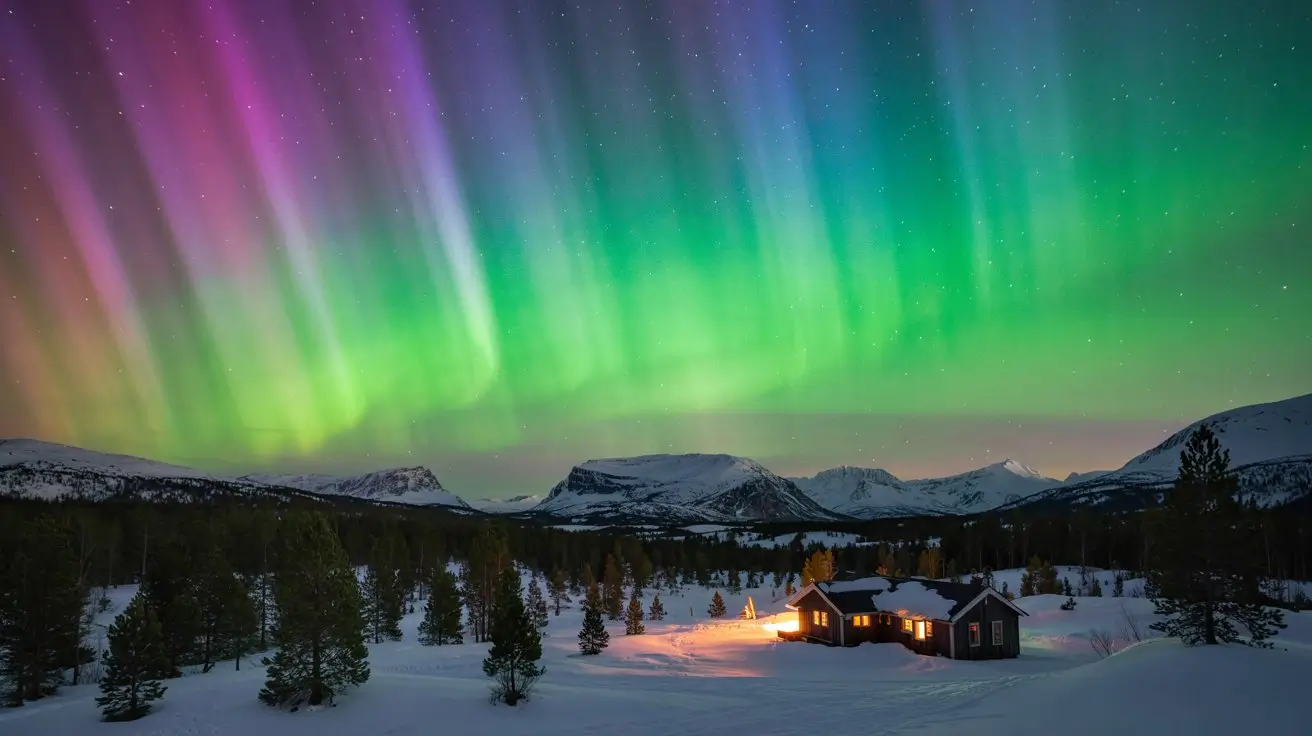
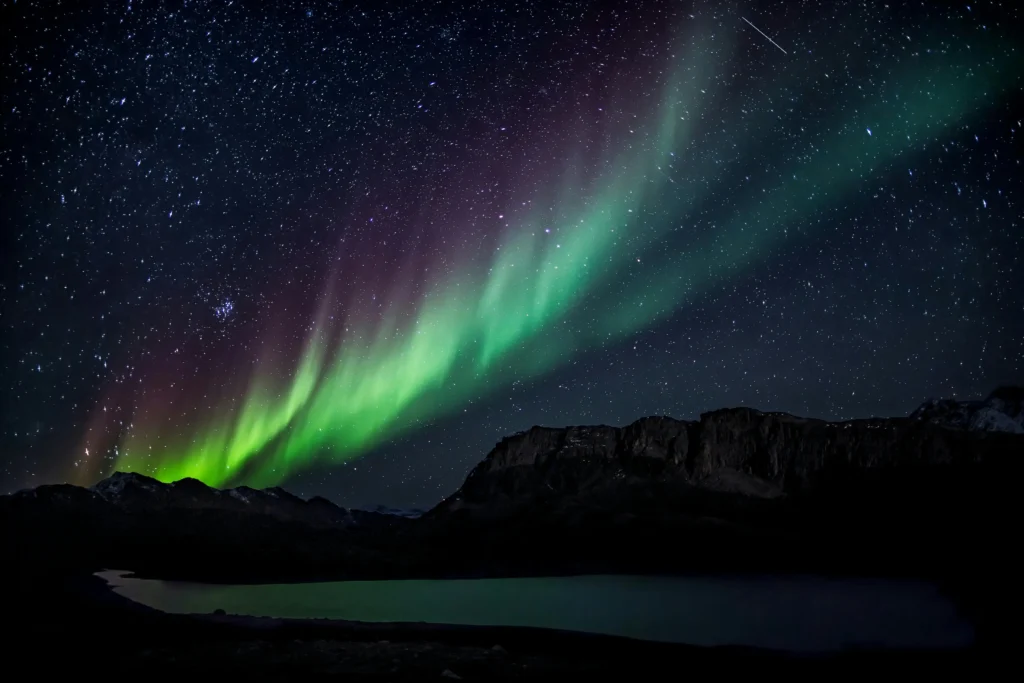
The Aurora Borealis, commonly referred to as the Northern Lights, is a mesmerizing natural phenomenon that captivates millions around the globe. This stunning light display occurs in polar regions and is primarily visible during winter months, making Norway an exceptional location for witnessing this spectacle. The phenomenon results from collisions between charged particles from the sun and gases in Earth’s atmosphere, particularly oxygen and nitrogen. These interactions create brilliant displays of light that ripple across the night sky, displaying hues of green, pink, red, and violet.
The origins of the Aurora Borealis can be traced back to solar wind, which is a stream of charged particles emitted by the sun. When these particles reach Earth, they interact with the planet’s magnetic field, leading to the excitation of atmospheric gases. The energy released during this process creates an array of colors and patterns, resulting in the breathtaking display that many travel specifically to witness. The lights are most frequently observed in a ring-shaped zone near the magnetic poles known as the auroral oval, which expands and contracts based on solar activity.
In addition to their aesthetic appeal, the Northern Lights hold cultural significance for many indigenous communities in the northern hemisphere. For centuries, various cultures have woven stories and myths around the Aurora Borealis, often associating them with deities or spirits. As the scientific understanding of this phenomenon continues to evolve, the enchantment surrounding the Aurora Borealis has only grown, drawing travelers and nature enthusiasts to experience this beautiful spectacle first-hand. With Norway’s exceptional geographic positioning, the country stands out as a prime destination to encounter the Northern Lights, making it a bucket-list adventure for many.
When and Where to See the Northern Lights in Norway
The Northern Lights, also known as the Aurora Borealis, offer one of nature’s most captivating spectacles, and Norway serves as an exceptional destination for witnessing this phenomenon. The best time to see the Northern Lights in Norway is typically between late September and early April, with optimal chances occurring during the winter months from November to March, when the nights are longest and darkest. During this period, the sky is often clearer, which significantly enhances visibility of the auroras.
Geographical conditions play a crucial role in the visibility of the Northern Lights. Ideally, locations far from city lights offer the best viewing experiences. Northern Norway, especially areas above the Arctic Circle, is renowned for its aurora visibility. Towns such as Tromsø, Alta, and Svalbard are prime examples where visitors frequently witness spectacular displays of the Northern Lights. Tromsø, often referred to as the “Gateway to the Arctic,” is particularly popular due to its accessibility and array of tours available catering to aurora enthusiasts.
Furthermore, weather conditions are pivotal for aurora sightings. Clear skies free from cloud cover are essential for optimal viewing, so monitoring local forecasts can enhance the likelihood of observing the auroras. Various mobile applications now serve as tools to track aurora activity, providing timely alerts when conditions are favorable. Those venturing to northern parts of Norway should prepare for cold weather, ensuring appropriate clothing layers to stay warm while waiting for the captivating lights to appear.
Overall, understanding the timing and geography is vital for anyone seeking to witness the mesmerizing beauty of the Northern Lights in Norway. Knowledge of the best months, optimal locations, and weather considerations significantly enhance one’s chances of experiencing this awe-inspiring natural phenomenon.
Tromsø
Tromsø, often referred to as the “Gateway to the Arctic,” is one of the most popular destinations for observing the Northern Lights. This city, situated in the heart of Norway’s northern regions, offers a unique combination of urban convenience and stunning natural landscapes. With its relatively mild climate for such a high latitude, Tromsø provides excellent opportunities for aurora chasing during the winter months. Visitors can embark on dedicated Northern Lights tours either on foot or by bus, allowing for a variety of experiences. Furthermore, Tromsø is home to several cultural attractions, including the Arctic Cathedral and the Polar Museum, which can enhance the overall travel experience.
Alta
Located in the far north of Norway, Alta is renowned for its clear skies, which make it a prime location for viewing the Northern Lights. This destination is known not only for its impressive auroral displays but also for the unique activities available here. Visitors can take part in dog sledding, snowmobiling, or even ice fishing during their stay. Alta’s Eco Museum offers insights into the region’s rich cultural heritage, providing an educational backdrop to the natural wonders. Accessibility is facilitated by its own airport, which offers connections to major cities in Norway, making it a convenient choice for travelers seeking an unforgettable Northern Lights experience.
Svalbard
Svalbard, an archipelago situated between mainland Norway and the North Pole, offers a unique and remote setting for witnessing the Northern Lights. This destination is particularly distinctive due to its polar climate and wildlife, including polar bears and reindeer. Travelers can enjoy guided tours that not only focus on aurora viewing but also explore the stunning Arctic landscapes. The long winter nights provide ample opportunity for witnessing the spectacular colors of the aurora borealis. Svalbard’s remote location, though requiring more extensive travel arrangements, rewards visitors with an unparalleled Northern Lights experience complemented by fascinating natural history and adventurous activities like glacier hiking.
How to Prepare for Your Aurora Borealis Adventure
Planning a trip to witness the captivating Aurora Borealis in Norway requires thoughtful preparation. The key elements to ensure a fulfilling experience include appropriate packing, clothing selection, and equipment gathering. The first aspect to consider is the weather, as the Northern Lights are best observed from late autumn to early spring when skies are darkest. During this period, temperatures can drop significantly. Therefore, ensuring you have adequate winter clothing is essential. Layering is highly recommended; thermal base layers, insulated mid-layers, and waterproof outer jackets will keep you warm and dry.
In addition to proper clothing, having suitable accessories is vital. Warm hats, gloves, and thermal socks should be prioritized, not only for comfort but also for maximizing the time spent outdoors. Footwear should be insulated and waterproof, allowing for prolonged exploration of various viewing spots.
When it comes to capturing the Aurora Borealis, a camera that can handle low-light conditions is essential. A DSLR or mirrorless camera with a wide-angle lens and the ability to adjust settings manually will yield the best results. Bring along a sturdy tripod to stabilize your shots during long exposure times. Remember to charge your devices fully and bring spare batteries, as the cold can drain battery life quickly.
Identifying the best locations to view the Northern Lights is another critical component of your journey. Research popular aurora viewing spots in Norway, such as Tromsø, Lofoten Islands, or Alta. Consider joining guided tours to enhance your chances of seeing the lights, as local guides are knowledgeable about the best locations and conditions. Additionally, be sure to keep an eye on aurora forecasts, which can provide valuable information to optimize your chances of an unforgettable experience.
Understanding Aurora Forecasts
The enchanting phenomenon of the Aurora Borealis, commonly referred to as the Northern Lights, captivates thousands of travelers each year. To increase the likelihood of witnessing this majestic display, understanding how to read aurora forecasts is essential. These forecasts provide crucial information regarding solar activity and local weather, which significantly impacts visibility.
Aurora forecasts typically indicate the strength of solar winds and the Kp index, which is a scale ranging from 0 to 9 that measures geomagnetic activity. A higher Kp index means that the likelihood of auroras being visible is considerably greater. Individuals planning to observe this natural wonder should pay close attention to forecasts from reputable sources such as the NOAA Space Weather Prediction Center or dedicated aurora tracking websites and apps. These platforms often feature real-time updates based on satellite data and geomagnetic storms.
Mobile applications have also gained popularity among aurora enthusiasts. These apps can provide alerts and notifications about optimal viewing conditions, tailored to your location. Many of these tools integrate GPS technology, ensuring users receive specific information relevant to their immediate surroundings. In addition to aurora forecasts, it is also essential to consult local weather conditions, as cloud cover and precipitation can severely impede visibility. Checking detailed cloud cover maps can help you determine the best spots for observation.
While predicting the auroras can be complex due to the interplay of solar winds, magnetic fields, and Earth’s atmosphere, leveraging the appropriate forecasts and tools can enhance your chances of witnessing the splendor of the Northern Lights. Therefore, equipping yourself with up-to-date and accurate information is vital for a successful and memorable aurora viewing experience.
What to Expect During the Northern Lights Experience
Experiencing the Aurora Borealis, commonly known as the Northern Lights, is often described as a transformative moment. When the lights dance across the sky, they create an awe-inspiring visual display that can evoke a range of emotions from sheer exhilaration to contemplative peace. Visitors to Norway during the peak months between October and March can anticipate witnessing this natural wonder in all its majesty.
The spectacle begins typically after sunset, when the climate is sufficiently dark and clear. As one gazes up towards the heavens, the first whispers of light may appear. These manifestations of the Aurora are often characterized by shimmering greens, vibrant purples, and occasionally reds and yellows. The colors ripple and swirl like liquid in the night sky, lending an otherworldly atmosphere to the experience.
As the lights intensify, viewers may observe various formations, from sharp spikes and arcs to soft, flowing waves. It is not uncommon for the Aurora to move in a pulsating rhythm, as if it possesses a life of its own. This dynamic nature often captivates onlookers, prompting feelings of wonder and humility. Many find themselves completely enveloped by the beauty of this natural phenomenon, fostering a sense of connection to the cosmos.
The emotional response to witnessing the Northern Lights can be profound and lasting. Individuals may feel a deeper appreciation for the natural world, leaving them changed long after their experience. Whether one is an avid photographer aiming to capture the perfect shot or a traveler seeking a peaceful moment of reflection, the Northern Lights provide a unique opportunity for connection and inspiration. Anticipating such an experience in Norway, where the conditions are favorable for optimal viewing, ensures that the adventure will be both memorable and impactful.
Frequently Asked Questions About the Northern Lights in Norway
The Aurora Borealis, commonly referred to as the Northern Lights, is a spectacular natural phenomenon that draws travelers to Norway each year. Many inquiries arise regarding this breathtaking spectacle. Here, we address some of the most frequently asked questions to enhance your experience.
When is the best time to see the Northern Lights in Norway? The optimal period for viewing the Aurora Borealis stretches from late September to early April. During these months, long nights and clear skies provide excellent conditions for observing the light show. Notably, the winter months, particularly December through February, tend to offer the best visibility.
What locations are ideal for Northern Lights viewing? Several regions in Norway are renowned for their exceptional Aurora experiences. Tromsø, known as the “Gateway to the Arctic,” is famous for its accessibility and robust tourism infrastructure. Other excellent locations include the Lofoten Islands and Alta, both offering stunning natural backdrops for the lights.
How can I enhance my photography of the Northern Lights? Capturing the Aurora Borealis requires some preparation. It is advisable to use a sturdy tripod and a camera with manual settings. Utilizing a wide aperture and a slow shutter speed will yield better results. Additionally, experimenting with the ISO setting can significantly improve the images. Above all, patience is essential, as the Northern Lights can be unpredictable.
Is it safe to travel during the Northern Lights season? Yes, traveling to see the Northern Lights is generally safe, though it is crucial to prepare adequately. Dress warmly, as temperatures can plummet in the winter months. It’s also recommended to stay informed about weather conditions and to use reputable tour companies for excursions.
Understanding these aspects of the Aurora Borealis will undoubtedly enrich your adventure in Norway. Preparing for your journey with the correct information is vital for making the most of this enchanting experience.
Tips for a Successful Northern Lights Photography
Capturing the magnificent Aurora Borealis in Norway requires not just the right equipment, but also knowledge of specific techniques to enhance your photography experience. To ensure successful Northern Lights photography, it is crucial to prioritize certain camera settings. A camera with manual settings and a sturdy tripod is essential for taking long exposure shots. Set your camera to a low ISO, typically between 800 and 1600, to reduce noise in the image while increasing sensitivity to light. Use a wide aperture, ideally f/2.8 or lower, to allow maximum light into your camera, enabling it to capture the vibrant colors of the aurora.
Timing also plays a significant role in the quality of your photographs. The best time to photograph the Northern Lights is during the winter months, particularly from late September to early April, when the nights are darkest. The auroras are typically more active around midnight, though they can appear anytime during the night. To increase your chances of witnessing the phenomenon, keep an eye on local aurora forecasts, which can notify you of upcoming displays. Clear, dark skies away from city lights will provide the optimal backdrop for your images.
When it comes to composition, it is essential to include foreground elements in your photographs to create depth and context. Consider incorporating landscapes, trees, or structures that help showcase the scale and beauty of the lights. Experimenting with various angles and perspectives can yield stunning images that tell a story. Additionally, be patient and prepare for numerous attempts; capturing the Aurora Borealis can require time and perseverance. With the right techniques and a bit of luck, your Northern Lights photography can result in breathtaking images that capture the wonders of this natural phenomenon.
Conclusion: Embrace the Magic of the Aurora Borealis
As we reflect on the awe-inspiring phenomenon of the Aurora Borealis, it becomes clear that this natural spectacle is not simply a visual treat, but a transformative experience that resonates deeply with those fortunate enough to witness it. Norway, with its stunning landscapes and optimal viewing conditions, emerges as a premier destination for travelers eager to observe the Northern Lights. The interplay of light and color against the dark, starry skies creates a mesmerizing backdrop that captivates the senses and leaves an indelible mark on the soul.
To make the most of your journey, thorough planning is essential. Consider the best months for viewing—the winter months from October to March are often recommended due to the longer nights and clearer skies. Additionally, immersing yourself in local culture and engaging in activities like dog sledding or visiting traditional Sami communities can enhance your overall experience. These elements not only enrich your understanding of the natural wonder but also provide a unique perspective on the life and traditions of Norway.
In light of the information shared, it is evident that witnessing the Northern Lights should be on the bucket list of every traveler. It is not merely about checking off a destination but embracing a magical journey that could redefine one’s perspective on the beauty of nature. Therefore, we encourage you to take the first steps towards this unforgettable adventure. Whether it’s researching travel packages, booking accommodations in optimal locations, or learning about the science behind the auroras, each action brings you closer to experiencing this remarkable phenomenon. So, gather your gear, prepare your cameras, and ready your spirit for one of nature’s most breathtaking displays that is the Aurora Borealis in Norway.
Dive Deeper into the World of Gluxal Articles :
The best island to go to in the caribbean: A Comprehensive Guide
The World’s Best 10 Cities for 2025: A Comprehensive Travel Guide