


Schengen Visa Guide 2025
Table of Contents
- Introduction
- What is the Schengen Visa?
- Types of Schengen Visas
- Schengen Countries Covered
- Who Needs a Schengen Visa?
- Schengen Visa Requirements
- How to Apply for a Schengen Visa
- Schengen Visa Fees 2025
- Country-Specific Application Process
- Processing Times
- Common Reasons for Visa Rejection
- Tips for a Successful Application
- After You Get the Schengen Visa
- Useful Resources & Official Links
- Frequently Asked Questions
- Conclusion
Introduction
Planning to explore Europe’s most beautiful destinations in 2025? The Schengen Visa 2025 remains your golden ticket to experiencing 27 incredible European countries with just one visa application. Whether you’re dreaming of strolling through Paris streets, exploring Rome’s ancient wonders, or witnessing Amsterdam’s charming canals, understanding the Schengen Visa application process is crucial for any international traveler.
The European travel landscape has evolved significantly since the pandemic, with new digital systems, updated fees, and streamlined processes making it both easier and more complex to navigate. This comprehensive guide will walk you through every detail of how to apply for Schengen Visa in 2025, from understanding the different visa types to mastering the application process and avoiding common pitfalls that lead to rejection.
With over 15 million Schengen visas issued annually, competition is fierce, and preparation is key. The introduction of ETIAS (European Travel Information and Authorization System) has also changed the landscape for many travelers, making it more important than ever to understand exactly what documentation you need and which countries require what type of authorization.
What is the Schengen Visa?
The Schengen Visa represents one of the world’s most valuable travel documents, allowing holders to move freely across 27 European countries without border controls. Named after the Luxembourg village where the original agreement was signed in 1985, this visa system has revolutionized European travel for millions of international visitors.
Why It’s Important in 2025
The Schengen Visa 2025 has become even more significant as Europe emerges from the pandemic with renewed focus on tourism and international cooperation. The visa represents not just travel permission, but access to a combined market of over 420 million people across countries with diverse cultures, languages, and experiences. For business travelers, it opens doors to some of the world’s largest economies, while leisure travelers gain access to UNESCO World Heritage sites, world-class museums, and culinary experiences that define European culture.
The economic impact is substantial – Schengen visa holders contribute billions to European economies annually through tourism, business transactions, and cultural exchanges. Recent studies indicate that the average Schengen visa holder spends approximately €2,400 per trip, making tourism one of Europe’s most valuable industries.
Benefits of Having a Schengen Visa
Beyond the obvious travel freedom, the Schengen Visa requirements once met, provide several compelling advantages. First, the convenience factor cannot be overstated – instead of applying for separate visas for France, Germany, Italy, and other destinations, travelers complete one comprehensive application process. This saves considerable time, money, and administrative burden.
The visa also provides flexibility in travel planning. Unlike bilateral visas that restrict you to specific countries, a Schengen visa allows spontaneous border crossings and itinerary changes. You might start your journey in Amsterdam, take a train to Berlin, drive through Austria to Italy, and finish in Barcelona – all without additional visa applications or border formalities.
For frequent European travelers, multiple-entry Schengen visas offer exceptional value, allowing unlimited entries within the visa’s validity period, subject to the 90-day stay limit within any 180-day period.
Types of Schengen Visas
Understanding the different Schengen Visa 2025 categories is essential for selecting the right application type and ensuring your travel plans align with visa restrictions.
Short-Stay Visa (Type C)
The Type C visa represents the most common Schengen visa category, designed for tourism, business, family visits, and short-term studies lasting up to 90 days within any 180-day period. This visa comes in single-entry, double-entry, and multiple-entry variants, with validity periods ranging from the exact travel dates to five years for frequent travelers with established travel histories.
Recent changes to Type C visa processing have introduced more flexible validity periods for repeat applicants. Travelers who have previously obtained and properly used Schengen visas may receive longer validity periods, reducing the frequency of applications and associated costs. Business travelers particularly benefit from these extended validity options, allowing them to attend multiple conferences, meetings, and exhibitions throughout the year.
The 90/180-day rule remains strictly enforced through sophisticated border control systems that track entries and exits electronically. Overstaying, even by a single day, can result in future visa rejections and entry bans, making careful trip planning essential.
Airport Transit Visa (Type A)
The Airport Transit Visa serves a specific purpose for travelers from certain countries who need to pass through Schengen country airports while traveling to non-Schengen destinations. This visa doesn’t permit leaving the international transit area and is required for nationals of specific countries including Afghanistan, Bangladesh, Democratic Republic of Congo, Eritrea, Ethiopia, Ghana, Iran, Iraq, Nigeria, Pakistan, Somalia, Sri Lanka, and others.
Transit visa requirements have become more complex with increased security measures. Even if your final destination doesn’t require a visa, you may still need a transit visa if you’re changing planes in a Schengen country. However, exceptions exist for holders of valid visas or residence permits from certain countries, and some airports offer transit without visa (TWOV) facilities for specific nationalities.
Long-Stay Visa (Type D)
Type D visas cater to individuals planning extended stays exceeding 90 days for purposes such as work, study, family reunification, or research. These visas are country-specific and don’t automatically grant access to other Schengen countries, though holders can typically travel within the Schengen area for up to 90 days in any 180-day period to other member states.
The Schengen Visa application process for Type D visas involves more extensive documentation, including educational credentials, employment contracts, accommodation arrangements, and comprehensive background checks. Processing times are generally longer, often requiring 30-60 days, and applications must be submitted to the specific country where you plan to reside.
Multiple vs Single Entry Visas
Single-entry visas permit one entry into the Schengen area, after which the visa becomes invalid even if the stay duration hasn’t been exhausted. These are typically issued for first-time applicants or those with limited travel history. Double-entry visas allow two separate entries, useful for travelers planning to leave the Schengen area temporarily before returning.
Multiple-entry visas offer the greatest flexibility, allowing unlimited entries during the visa’s validity period. These are granted to travelers with established travel patterns, strong ties to their home country, and demonstrated compliance with previous visa conditions. Business travelers, frequent tourists, and those with family connections in Schengen countries are most likely to receive multiple-entry visas.
Schengen Countries Covered
The Schengen countries in 2025 encompass 27 nations that have eliminated internal border controls, creating the world’s largest free movement area. Understanding which countries participate is crucial for trip planning and determining where to submit your Schengen Visa 2025 application.
Complete List of 27 Schengen Countries
The current Schengen area includes: Austria, Belgium, Czech Republic, Denmark, Estonia, Finland, France, Germany, Greece, Hungary, Iceland, Italy, Latvia, Liechtenstein, Lithuania, Luxembourg, Malta, Netherlands, Norway, Poland, Portugal, Slovakia, Slovenia, Spain, Sweden, and Switzerland. Croatia became the newest member in January 2023, expanding opportunities for Balkan Peninsula exploration.
Each country maintains its own visa application procedures while adhering to common Schengen standards. This means that while Schengen Visa requirements remain consistent, application processes, appointment availability, and processing times can vary significantly between countries.
EU vs Schengen Differences
A common misconception involves conflating European Union membership with Schengen participation. While most EU countries participate in Schengen, notable exceptions exist. Ireland and the United Kingdom (pre-Brexit) maintain opt-outs, requiring separate visa applications. Cyprus, Bulgaria, and Romania are EU members working toward full Schengen integration, currently participating in some aspects but not yet eliminating all border controls.
Conversely, non-EU countries including Iceland, Liechtenstein, Norway, and Switzerland are full Schengen members, demonstrating that Schengen cooperation extends beyond EU political integration. This distinction is particularly important when planning travel routes and understanding visa requirements for different European destinations.
Special Cases: Non-EU Schengen Members
Switzerland presents an interesting case as a non-EU Schengen member with bilateral agreements governing its participation. Swiss visa applications often have shorter processing times and more flexible appointment availability than larger EU countries. The country’s central location makes it an attractive option for travelers planning multi-country European itineraries.
Norway offers similar advantages for travelers interested in Scandinavian experiences, with visa applications processed through VFS Global in most countries. Iceland provides unique opportunities for natural tourism, while Liechtenstein, despite its small size, offers visa processing advantages due to lower application volumes.
These countries demonstrate that Schengen participation transcends political boundaries, focusing instead on practical cooperation for travel facilitation and security coordination.
Who Needs a Schengen Visa?
Determining whether you need a Schengen Visa 2025 depends primarily on your nationality, travel purpose, and duration of stay. The visa requirement landscape has evolved with the introduction of ETIAS and changing bilateral agreements between Schengen countries and various nations.
Nationalities Required to Apply
Citizens of approximately 100+ countries must obtain Schengen visas before traveling to the area. Major countries requiring visas include China, India, Russia, Turkey, South Africa, Nigeria, Philippines, Indonesia, Thailand, Vietnam, Pakistan, Bangladesh, Egypt, Morocco, Algeria, Iran, Iraq, Afghanistan, and most African, Asian, and some South American nations.
The requirement isn’t arbitrary – it’s based on factors including diplomatic relationships, reciprocity agreements, economic considerations, and security assessments. Countries with high visa requirement rates typically have citizens who overstay tourist visas, work illegally, or present security concerns according to Schengen country assessments.
Recent geopolitical changes have affected visa requirements for some nationalities. Travelers should always verify current requirements with official embassy websites or consular services, as requirements can change with little notice due to diplomatic developments or security concerns.
Visa-Free Countries and Exemptions
Approximately 60 countries enjoy visa-free access to the Schengen area for stays up to 90 days within any 180-day period. These include the United States, Canada, Australia, New Zealand, Japan, South Korea, Singapore, Malaysia, Brazil, Argentina, Chile, Uruguay, and most EU countries not yet in Schengen.
Visa-free travelers must still meet entry requirements including passport validity (typically 3+ months beyond departure date), proof of sufficient funds, return tickets, and travel insurance in some cases. Border officials maintain the right to deny entry even to visa-free nationals if they cannot demonstrate legitimate travel purposes or sufficient resources.
ETIAS Introduction and Impact
The European Travel Information and Authorization System (ETIAS) launched in 2024 affects visa-free nationals by requiring electronic authorization before travel. Similar to the US ESTA system, ETIAS requires online applications, background checks, and approval before travel, though it’s generally processed within minutes or hours.
ETIAS applications cost €7 for travelers aged 18-70 and are valid for three years or until passport expiration, whichever comes first. The system aims to enhance security while maintaining travel facilitation for low-risk visitors. Citizens of visa-free countries must obtain ETIAS authorization even for airport transits through Schengen countries.
The introduction of ETIAS represents a middle ground between full visa requirements and completely unrestricted access, allowing Schengen countries to screen travelers electronically while maintaining the convenience that makes European travel attractive.
Schengen Visa Requirements
Understanding comprehensive Schengen Visa requirements is crucial for successful applications. The documentation process involves multiple categories of evidence designed to demonstrate your travel intentions, financial capacity, and ties to your home country.
Essential Documents for All Applicants
Every Schengen Visa 2025 application requires a completed visa application form, which varies slightly between countries but follows standardized EU formats. The form must be filled accurately and completely – even minor errors can lead to delays or rejections. Recent updates have made online form completion mandatory in most countries, with some allowing form saving and editing before final submission.
Your passport represents the most critical document, requiring validity of at least three months beyond your intended departure date and containing at least two blank pages for visa stickers. Passports issued within the last 10 years are generally required, and damaged or heavily worn passports may be rejected even if technically valid.
Biometric photographs meeting strict ICAO standards are mandatory. Photos must be recent (within 6 months), show full face clearly, maintain neutral expression, and meet specific size and quality requirements. Many applications are delayed due to photograph rejections, making professional photography services worthwhile for important applications.
Travel Insurance Requirements
Travel insurance represents a non-negotiable Schengen Visa requirement, with minimum coverage of €30,000 for medical expenses and emergency repatriation. The insurance must be valid throughout the entire Schengen area and cover the complete duration of your stay plus additional days to account for potential travel delays.
Insurance policies must explicitly state coverage for emergency medical treatment, hospitalization, and repatriation to your home country. Some countries require additional coverage for emergency dental treatment, pregnancy complications, or pre-existing medical conditions. Travel insurance purchased after visa approval is generally not accepted – coverage must begin before or on your arrival date.
Major insurance providers offer specialized Schengen visa insurance products designed to meet exact requirements. Online insurance platforms have simplified the purchase process, with instant policy issuance and embassy-accepted documentation available within minutes of payment.
Financial Documentation
Proof of sufficient funds remains one of the most scrutinized aspects of Schengen Visa applications. Requirements vary by country and range from €50-100 per day, though demonstrating higher available funds strengthens applications significantly. Bank statements from the last 3-6 months are standard, showing consistent income, stable balances, and financial patterns indicating legitimate fund sources.
Sudden large deposits immediately before application are red flags for visa officers, who look for evidence of borrowed money or funds held temporarily to meet requirements. Consistent salary deposits, business income, rental income, or investment returns demonstrate sustainable financial capacity better than lump sum deposits.
Alternative financial documentation includes credit card statements showing high available limits, traveler’s cheque purchases, or sponsor letters with supporting financial evidence if someone else is funding your travel. Employers can provide salary certificates, while business owners need company financial statements and tax returns.
Accommodation and Travel Proof
Hotel bookings and flight reservations demonstrate your travel intentions and itinerary clarity. Many travelers worry about booking expenses before visa approval, leading to a common dilemma. Most embassies accept flight reservations (not purchased tickets) and refundable hotel bookings, though some countries require actual ticket purchases.
Travel agencies and online platforms offer visa application services providing confirmed reservations with payment held until visa approval. These services typically charge €10-50 and provide embassy-accepted documentation while protecting travelers from financial loss if visas are rejected.
Detailed itineraries strengthen applications by showing thoughtful travel planning. Include transportation between cities, major attractions you plan to visit, and logical travel progression. Vague or unrealistic itineraries suggesting insufficient planning or potential illegal activities (like working) can trigger rejections.
Additional Documentation by Purpose
Business travel requires invitation letters from European companies detailing meeting purposes, duration, financial responsibility, and participant information. The inviting company must provide registration documents, and travelers need employer letters confirming job positions and salary details.
Tourism applications benefit from detailed travel plans, pre-booked tours, and evidence of previous international travel demonstrating responsible travel behavior. Photography enthusiasts might include equipment lists and planned shooting locations to justify expensive camera gear that might otherwise suggest commercial purposes.
Family visit applications require invitation letters from Schengen area residents or citizens, copies of their residence documents, and evidence of family relationships through birth certificates, marriage certificates, or other official documents. Financial sponsorship arrangements must be clearly documented with sponsor bank statements and responsibility declarations.
Student applications for short courses require enrollment confirmation, fee payment receipts, accommodation arrangements, and evidence of academic qualifications. Language course participants need detailed course descriptions and institution accreditation information.
How to Apply for a Schengen Visa: Step-by-Step Process
Mastering how to apply for Schengen Visa involves understanding a detailed nine-step process that varies slightly between countries but follows consistent patterns designed to assess applicant eligibility thoroughly.
Step 1: Determine Your Visa Type and Purpose
Begin by clearly identifying your travel purpose and selecting the appropriate visa category. Tourism, business, family visits, cultural events, medical treatment, and study each have specific requirements and documentation needs. Your stated purpose must align with all supporting documents – inconsistencies trigger automatic rejections.
Consider your travel pattern: single country visits, multi-country tours, or complex itineraries involving multiple entries. Your main destination (where you’ll spend the most nights) determines which country’s embassy handles your application. If spending equal time in multiple countries, apply at the embassy of your first entry point.
Step 2: Identify the Correct Embassy or Consulate
The Schengen Visa application process requires submission to the correct diplomatic mission. Large cities typically host multiple Schengen country embassies, while smaller locations might have limited options requiring travel to regional consular offices.
Many countries outsource visa processing to specialized companies like VFS Global, TLS Contact, or BLS International. These service providers handle document collection, appointment scheduling, and application submission while embassies make final approval decisions. Service providers often offer additional locations and extended hours compared to embassy consular sections.
Research processing times, appointment availability, and specific requirements for your chosen embassy. Some missions process applications faster but have longer appointment waits, while others might have immediate appointments but longer processing periods.
Step 3: Complete the Application Form
Modern Schengen Visa applications require online form completion through embassy websites or service provider portals. Save your progress regularly and review all entries for accuracy before final submission. The form requests detailed personal information, travel history, employment details, and family information.
Answer all questions honestly and completely. Leaving fields blank or providing false information are grounds for automatic rejection and potential future application bans. Upload required documents in specified formats – typically PDF files under specific size limits.
Print the completed form and sign it physically. Some countries require additional signatures from sponsors, employers, or family members depending on your application type.
Step 4: Gather All Required Documents
Document preparation represents the most time-intensive aspect of Schengen Visa applications. Create a checklist specific to your country and purpose, then systematically gather each required document. Original documents are typically required for verification, with certified copies retained by the embassy.
Organize documents in the order specified by embassy instructions. Use transparent folders or envelopes to protect documents and facilitate embassy review. Label everything clearly and include translations for documents not in English or the embassy country’s language.
Bank statements need certification or apostille in some countries. Educational documents might require evaluation or translation. Medical documents for treatment purposes need authentication from licensed physicians.
Step 5: Schedule Your Appointment
Appointment availability varies dramatically between countries and seasons. Popular destinations like France, Germany, and Spain often have 2-6 week waiting periods during peak travel seasons (May-September), while smaller countries might offer same-week appointments.
Book appointments as early as possible, ideally 2-3 months before travel. Some embassies allow online booking while others require phone calls or in-person scheduling. Premium services offering expedited appointments are available through some service providers for additional fees.
Confirm appointment details, location, required documents, and arrival instructions. Some embassies require early arrival for security screening, while others operate on strict scheduling that penalizes late arrivals.
Step 6: Attend Your Interview and Provide Biometrics
Embassy appointments typically combine document submission, biometric data collection, and brief interviews. Arrive early with all original documents and passport-sized photos. Dress professionally and bring additional documentation that might support your application.
Biometric collection includes fingerprinting and digital photographs using embassy equipment. Children under 12 are typically exempt from fingerprinting. Biometric data is stored in EU systems for 59 months, potentially expediting future applications within that timeframe.
Interview questions focus on travel purposes, itinerary details, employment status, family situation, and previous travel history. Answer concisely and honestly, providing additional documentation if requested. Inconsistencies between oral statements and written applications can trigger immediate rejections.
Step 7: Pay Required Fees
Schengen Visa fees are standardized across all member countries but must be paid in local currency or specified methods. Embassy fees are separate from service provider charges, which can add €20-80 to total costs depending on location and services selected.
Payment methods vary: some embassies accept only cash, others prefer credit cards or bank transfers. Service providers typically offer more payment flexibility including online payment options. Keep all payment receipts as proof of fee submission.
Additional costs might include document translation, courier services for passport return, SMS notification services, and premium lounges for comfortable waiting during busy periods.
Step 8: Track Processing and Wait for Decision
Processing times vary based on application complexity, embassy workload, and seasonal factors. Standard processing is 15 calendar days, though complex cases or peak periods can extend to 30-45 days. Some embassies offer premium processing services reducing wait times for additional fees.
Most embassies provide online tracking systems using reference numbers provided during application submission. Service providers typically offer SMS or email notifications about application status changes.
Avoid making non-refundable travel arrangements until visa approval confirmation. Even approved applicants occasionally face unexpected delays in passport return due to administrative processing or security checks.
Step 9: Collect Your Passport
Passport collection procedures vary between embassies and service providers. Some require personal collection with original receipts and identification, while others offer courier services for additional fees. Authorize trusted representatives for collection if you cannot personally retrieve your passport.
Examine your visa immediately upon collection, checking all details including name spelling, passport number, validity dates, and entry limitations. Report any errors immediately as corrections after leaving the embassy can be complex and time-consuming.
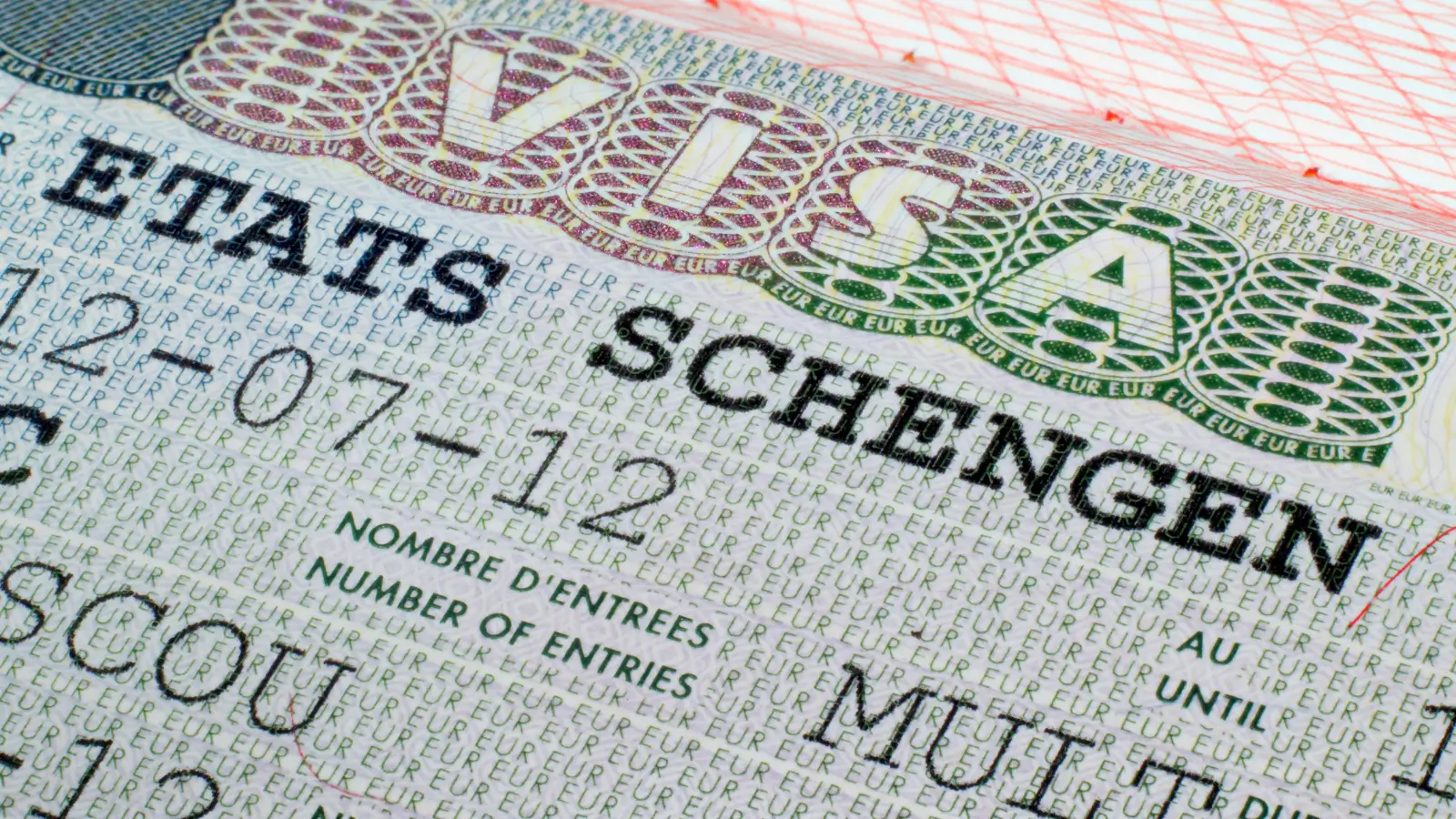
Successful applicants receive visa stickers containing security features, validity dates, and entry restrictions. Keep your passport secure and make copies of both the passport identification page and visa sticker for your records.
Schengen Visa Fees 2025
Understanding the complete cost structure of Schengen Visa fees in 2025 helps budget accurately for your application and avoid surprise charges that can strain travel budgets.
Standard Visa Fees
The base Schengen Visa 2025 fee structure remains consistent across all member countries: €90 for adults, €45 for children aged 6-12, and free processing for children under 6 years. These fees represent the official embassy charges and are set by EU regulations, though payment methods and currency conversion rates affect the final amount in local currency.
Recent fee increases reflect inflation adjustments and enhanced processing systems including improved security features and digital integration. Despite the increases, Schengen visas remain competitively priced compared to other major destination visa fees, especially considering the access provided to 27 countries.
Multiple-entry visas carry the same fee as single-entry visas, making them exceptional value for frequent travelers. Long-term multiple-entry visas valid for up to 5 years provide outstanding cost efficiency for business travelers and frequent European visitors.
Fee Exemptions and Waivers
Several categories qualify for Schengen Visa fee exemptions, though documentation requirements remain identical. Children under 6 years receive automatic fee waivers but still need complete applications and all supporting documents.
Students participating in educational programs, researchers engaged in academic cooperation, and representatives of non-profit organizations pursuing cultural or educational activities often qualify for fee reductions or complete waivers. These exemptions require official documentation proving eligibility and are granted at embassy discretion.
Family members of EU citizens enjoy preferential treatment including reduced fees and simplified documentation requirements. Spouses, children, parents, and other qualifying relatives need proof of family relationships and the EU citizen’s status.
Service Center Additional Charges
Beyond embassy fees, most applicants pay service provider charges ranging from €20-80 depending on location and services selected. VFS Global and TLS Contact operate in most countries, providing convenient locations, extended hours, and additional services while charging supplementary fees.
Optional services include SMS notifications (€2-5), courier passport return (€10-25), premium lounges (€15-30), and document copying or photography (€1-3 per page). While not mandatory, these services often provide convenience worth the additional cost.
Some locations offer “prime time” appointments outside standard business hours for premium charges, valuable for busy professionals who cannot attend during regular embassy hours.
Hidden Costs and Budget Planning
Successful Schengen Visa applications involve several indirect costs that applicants should budget for comprehensive planning. Travel insurance meeting visa requirements typically costs €15-50 depending on coverage duration and your age or health status.
Professional photography for biometric photos costs €10-25 in most cities, while document translation and certification can add €20-100 depending on document complexity and local translator rates. Notarization or apostille services for certain documents add additional fees varying by country.
Transportation to embassy locations, parking fees, and potential accommodation costs for applicants traveling from distant locations contribute to overall expenses. Consider these factors when selecting which embassy to approach, as closer locations might offset longer processing times through reduced indirect costs.
Total visa application costs typically range from €120-300 per person depending on location, services selected, and additional documentation requirements. Budget accordingly and include contingency funds for potential reapplication needs if initial applications face rejection for correctable issues.
Country-Specific Schengen Visa Application Process
Each Schengen country maintains unique application procedures, appointment systems, and processing characteristics while adhering to common EU standards. Understanding country-specific nuances can significantly impact your application experience and success rates.
France – TLS Contact and Campus France
France processes the highest volume of Schengen Visa 2025 applications globally, handling over 3.5 million applications annually through TLS Contact centers in most countries. The French visa application process emphasizes detailed itinerary documentation and strong financial evidence, with particular attention to accommodation bookings and transportation arrangements.
Campus France handles student visa applications, requiring additional documentation including educational credentials, language proficiency certificates, and detailed study plans. French embassies often request bank statements covering 6 months instead of the standard 3 months, demonstrating sustained financial stability.
French visa processing times are generally reliable during off-peak seasons but can extend significantly during summer months when tourism applications surge. Multiple-entry visas are commonly granted to applicants with established travel histories and strong ties to home countries.
Official French visa information: France-Visas.gouv.fr TLS Contact global locations: TLSContact.com
Germany – Efficient Processing Through German Missions
Germany’s visa processing system emphasizes efficiency and digitization, with most applications processed through German Embassy and Consulate networks or authorized service providers. German missions often have the most comprehensive online resources, including detailed country-specific requirement lists and processing time estimates.
Business visa applications for Germany receive particular attention, with invitation letters requiring specific formatting and company verification processes. Trade fair participants need exhibition registration confirmation and detailed business purpose explanations.
German embassies frequently issue longer validity multiple-entry visas to qualified applicants, making them attractive options for travelers planning multiple European trips within a year or two.
Official German visa portal: Germany.travel German Embassy locations: Auswaertiges-amt.de
Spain – BLS Spain and Regional Processing
Spain’s BLS Spain service provider network offers extensive coverage with centers in major cities worldwide. Spanish visa applications require particular attention to accommodation documentation, with some consulates requiring confirmed hotel bookings rather than reservations.
Regional Spanish consulates sometimes have varying interpretation of requirements, making it important to check specific embassy websites for location-specific instructions. Canary Islands and Balearic Islands destinations sometimes require additional documentation proving accommodation availability during peak seasons.
Spain commonly issues single-entry visas to first-time applicants but readily grants multiple-entry visas for subsequent applications with good compliance records.
BLS Spain locations: BLS-Spain.com Spanish consular services: Exteriores.gob.es
Italy – Embassy Network and VFS Processing
Italian visa processing combines embassy direct applications with VFS Global services depending on location. Italian embassies are known for thorough document verification but generally efficient processing times outside peak seasons.
Tourism applications for Italy benefit from detailed itinerary documentation showing cultural interest and specific attraction visits. Art, history, and culinary tourism purposes often receive favorable consideration with appropriate supporting documentation.
Italian family visit visas require particularly detailed sponsor documentation, including Italian residence permits, employment verification, and comprehensive financial statements.
VFS Italy services: VFS-Italy.com Italian Ministry of Foreign Affairs: Esteri.it
Netherlands – Efficient Digital Systems
The Netherlands operates one of the most digitized Schengen Visa application processes, with comprehensive online systems and clear requirement documentation. Dutch embassies often have shorter appointment waiting times compared to larger European countries.
Business applications for the Netherlands benefit from the country’s international business focus, with streamlined processes for conference attendance, trade missions, and corporate meetings. Technology sector professionals often receive favorable consideration for business visas.
Dutch embassies frequently issue multiple-entry visas with generous validity periods for qualified applicants, making them excellent choices for business travelers and frequent European visitors.
Netherlands visa information: Netherlands-visa.nl IND (Immigration Service): IND.nl
Switzerland – Non-EU Efficiency
Switzerland’s unique position as a non-EU Schengen member often translates to more efficient processing with shorter appointment waits and faster decision times. Swiss consulates typically have excellent customer service and clear communication throughout the application process.
Tourism applications for Switzerland benefit from detailed outdoor activity planning documentation, including mountain climbing, skiing, or hiking itineraries. Business applications often receive quick processing due to Switzerland’s international business environment.
Swiss visa fees are identical to EU countries despite non-membership, and multiple-entry visas are commonly granted to qualified applicants.
Swiss visa information: EDA.admin.ch
Nordic Countries – Streamlined Northern Processing
Norway, Sweden, and Denmark often coordinate visa processing through shared service providers while maintaining country-specific requirements. Nordic embassies are known for efficient processing and comprehensive online resources.
Tourism applications emphasizing natural attractions, Northern Lights viewing, or outdoor activities often receive favorable consideration. Business applications benefit from the region’s innovation focus and international cooperation emphasis.
Nordic countries frequently issue multiple-entry visas with extended validity periods, particularly for business travelers and those with established travel patterns to the region.
Norway visa info: UDI.no Sweden visa info: Migrationsverket.se Denmark visa info: SIRI.dk
Eastern Europe – Growing Processing Capacity
Poland, Czech Republic, and Hungary have expanded their visa processing capacity significantly, often offering shorter appointment waits than Western European countries. These embassies frequently serve as excellent alternatives for travelers with flexible itinerary options.
Cultural and historical tourism applications often receive favorable consideration, particularly when documenting specific heritage sites or cultural events. Business applications benefit from the region’s economic growth and increasing international business connections.
Eastern European embassies often issue conservative first-time visas but readily grant multiple-entry visas for subsequent applications with good compliance records.
Processing Times
Understanding Schengen Visa processing timeframes is crucial for travel planning and ensuring adequate time for potential complications or additional documentation requests.
Standard Processing Periods
The official processing time for Schengen Visa 2025 applications is 15 calendar days from submission, though this represents the minimum period required for standard cases without complications. Complex applications, first-time applicants, or those requiring additional security checks routinely exceed this timeframe.
Processing times exclude appointment waiting periods, which can add 2-8 weeks depending on embassy location and season. Summer months (May-September) see the longest delays as tourism applications surge, while winter months typically offer faster processing and easier appointment availability.
Embassies count processing time from complete application submission, not initial document review. Incomplete applications or those requiring additional documentation reset the processing timeline, potentially adding weeks to the overall timeframe.
Peak Season Considerations
European tourism peaks during summer months, creating significant pressure on visa processing systems. Applications submitted between March and June for summer travel often face extended processing times reaching 30-45 days in extreme cases.
Popular destinations like France, Italy, Spain, and Germany experience the most severe delays during peak periods. Alternative strategies include applying to less popular Schengen countries where you plan to spend significant time or choosing shoulder season travel dates when possible.
Early application submission (2-3 months before travel) provides buffer time for processing delays and potential reapplication needs. Last-minute applications during peak seasons frequently face rejection due to insufficient processing time rather than eligibility issues.
Expedited Processing Options
While no official “express” visa processing exists, some embassies and service providers offer premium services that can reduce overall application timeframes. These services typically focus on faster appointment scheduling, priority document review, or dedicated processing channels rather than bypassing standard security checks.
Premium appointment services charge €50-150 for same-week or next-day appointments, valuable for urgent business travel or emergency situations. However, processing times remain subject to standard requirements once applications enter embassy review systems.
Some countries offer “facilitated” processing for frequent travelers, business visa holders, or those with established positive visa histories. These programs can reduce processing times to 5-10 days but require pre-qualification and often involve annual membership fees.
Common Reasons for Visa Rejection
Understanding rejection patterns helps applicants avoid common pitfalls that lead to Schengen Visa denials, which occur in approximately 15-20% of applications depending on applicant nationality and embassy location.
Insufficient Financial Resources
Financial inadequacy represents the leading cause of Schengen Visa rejections, affecting roughly 30% of denied applications. Embassies assess both available funds and income sustainability, looking for evidence that applicants can support themselves throughout their European stay without working illegally.
Minimum financial requirements vary by country but typically range from €50-100 per day of intended stay. However, demonstrating only minimum amounts often triggers rejections – successful applicants usually show 2-3 times minimum requirements. Bank statements revealing sudden large deposits, borrowed funds, or inconsistent income patterns raise red flags.
Credit card statements showing high available limits can supplement bank statements, but embassies prefer liquid assets over credit access. Business owners need comprehensive financial documentation including tax returns, business registration, and profit/loss statements spanning several months.
Document Authenticity Issues
Document verification systems have become increasingly sophisticated, making fake or altered documents extremely risky. Common authentication problems include bank statements with suspicious formatting, employment letters with incorrect company information, or educational certificates from unrecognized institutions.
Even minor discrepancies between documents can trigger rejections. Name spelling variations, date inconsistencies, or formatting anomalies that suggest document manipulation lead to immediate denials and potential future application bans.
Professional document preparation services can help ensure proper formatting and authentication, particularly for applicants from countries where document standards differ from European expectations.
Weak Home Country Ties
Visa officers assess whether applicants have sufficient reasons to return home after their European visits. Weak home country ties suggest potential overstaying or illegal immigration risks, leading to application rejections.
Strong ties include stable employment with confirmed return dates, property ownership, family responsibilities, ongoing education, or business ownership requiring personal management. Single applicants with limited employment history or assets face particular scrutiny.
Supporting documentation should clearly demonstrate compelling reasons for returning home. Employment contracts, property deeds, family dependency evidence, or educational enrollment confirmation strengthen applications significantly.
Travel Insurance Deficiencies
Travel insurance rejections often involve technical issues rather than complete absence of coverage. Common problems include insufficient coverage amounts (below €30,000), geographic limitations excluding some Schengen countries, or coverage periods not matching intended travel dates.
Insurance policies must explicitly cover emergency medical treatment, hospitalization, and repatriation costs throughout the entire Schengen area. Some policies exclude pre-existing conditions, high-risk activities, or specific age groups, making careful policy selection essential.
Purchase insurance from reputable providers familiar with Schengen requirements. Online comparison platforms often highlight visa-specific policies meeting exact embassy requirements.
Inconsistent or Suspicious Travel Plans
Vague, unrealistic, or inconsistent travel itineraries suggest insufficient planning or potential ulterior motives. Common issues include impossibly tight schedules, illogical routing, or accommodation costs inconsistent with stated financial resources.
Detailed itineraries demonstrating cultural interest, realistic timeframes, and logical progression between destinations strengthen applications. Include specific attractions, museums, or events you plan to visit, showing genuine tourism interest.
Business applicants need comprehensive meeting schedules, conference registration confirmation, and clear explanations of business purposes. Academic travelers require detailed course descriptions and institutional verification.
Tips for a Successful Application
Maximizing Schengen Visa approval chances requires strategic planning, meticulous documentation, and understanding embassy evaluation criteria used by visa officers.
Apply Early and Plan Ahead
Submit applications 2-3 months before intended travel dates, allowing time for processing delays, additional documentation requests, or potential reapplication needs. Early applications demonstrate planning capability and reduce pressure on both applicants and embassy staff.
Research embassy-specific requirements thoroughly, as interpretation can vary between consulates even within the same country. Some embassies publish detailed country-specific guidelines beyond standard EU requirements.
Consider seasonal factors affecting both appointment availability and processing times. Applications for spring/summer travel should be submitted during autumn/winter months when embassy workloads are lighter.
Demonstrate Strong Financial Background
Financial documentation should tell a compelling story of stability and sustainability. Bank statements spanning 6 months show income patterns, spending habits, and financial management skills. Consistent salary deposits, regular savings, and controlled spending demonstrate reliability.
Avoid large unusual deposits immediately before application submission, as these suggest borrowed funds or financial manipulation. If legitimate large deposits occur (salary bonuses, investment returns, property sales), provide supporting documentation explaining the sources.
Multiple income sources strengthen applications significantly. Employment salary combined with rental income, investment returns, or business profits demonstrates financial diversification and stability.
Create a Clear and Realistic Travel Itinerary
Detailed itineraries demonstrate serious travel planning and genuine tourism interest. Include specific destinations, attractions, transportation methods, and accommodation details showing realistic timeframes and logical routing.
Research opening hours, ticket prices, and seasonal accessibility of planned attractions. Demonstrating knowledge of local conditions and cultural events suggests authentic travel interest rather than fabricated plans.
Balance detailed planning with reasonable flexibility. Overly rigid itineraries can seem artificial, while vague plans suggest insufficient preparation. Include major activities while allowing time for spontaneous exploration.
Book Refundable Reservations
Protect yourself financially while meeting embassy requirements by booking refundable hotel reservations and flight confirmations rather than non-refundable purchases. Many booking platforms offer free cancellation options specifically for visa applications.
Some travel agencies specialize in visa application services, providing confirmed reservations with payment held until visa approval. These services typically charge €20-50 but protect applicants from financial loss while meeting embassy documentation requirements.
Ensure reservation dates match your visa application exactly. Discrepancies between intended travel dates and booking confirmations can trigger rejections or processing delays.
Professional Presentation Matters
Submit well-organized applications with documents arranged according to embassy instructions. Use clear labels, protective sleeves, and logical ordering to facilitate embassy review processes.
Professional appearance extends to interview attendance – dress appropriately, arrive early, and maintain courteous behavior throughout the process. Embassy staff often note applicant demeanor and presentation in their evaluation notes.
Prepare for potential interview questions by reviewing your application thoroughly. Inconsistencies between oral responses and written documentation can trigger immediate rejections.
After You Get the Schengen Visa
Successfully obtaining your Schengen Visa 2025 opens European travel opportunities while creating important obligations and restrictions that must be carefully observed.
Understanding Validity and Stay Rules
Schengen Visas operate under the “90/180 day” rule, allowing maximum stays of 90 days within any 180-day rolling period. This calculation can be complex, particularly for multiple-entry visas with extended validity periods.
The 180-day period is calculated backward from each day of your intended stay. Online calculators and mobile apps help track accumulated stay periods, crucial for avoiding inadvertent overstaying that can result in future visa rejections and entry bans.
Visa validity periods indicate when you can enter the Schengen area, while duration of stay determines how long you can remain. These periods may differ significantly – a visa valid for one year might still limit individual stays to 90 days per 180-day period.
First Entry Requirements
Your initial entry into the Schengen area should occur through the country that issued your visa when practical, though this isn’t a strict legal requirement. Border officials may question travelers entering through different countries, particularly if significant itinerary changes have occurred.
Carry all original documents used for visa application during your first entry, including invitation letters, hotel confirmations, financial statements, and travel insurance policies. Border officials have the authority to verify documentation even for visa holders.
Some travelers face additional questioning if their actual itinerary differs significantly from their visa application. Major changes should be explainable with legitimate reasons and supporting documentation.
Consequences of Overstaying
Overstaying your Schengen Visa, even by a single day, creates serious complications for future European travel. Overstaying violations are recorded in EU databases and can result in entry bans ranging from 1-5 years depending on violation severity.
Exit stamps are crucial for proving timely departure. Always ensure passport stamping when leaving the Schengen area, particularly when departing through non-EU countries where stamping practices might be inconsistent.
If unavoidable circumstances prevent timely departure (medical emergencies, natural disasters, flight cancellations), contact local immigration authorities immediately to document the situation and potentially extend your authorized stay.
Extension Possibilities
Schengen Visa extensions are granted only in exceptional circumstances such as serious medical emergencies, humanitarian reasons, or force majeure situations preventing departure. Extensions cannot be obtained for tourism convenience or itinerary changes.
Extension applications must be submitted before current visa expiration at immigration offices in your current location country. Required documentation includes evidence of exceptional circumstances, continued financial support, and valid travel insurance covering extended periods.
Most extension requests are denied, making careful initial trip planning essential. Plan departure several days before visa expiration to account for potential travel delays.
Useful Resources & Official Links
Navigate the Schengen Visa application process more effectively using these authoritative resources and official platforms designed to support applicants throughout their journey.
Primary Information Sources
SchengenVisaInfo.com provides comprehensive, regularly updated information about visa requirements, processing times, and embassy-specific procedures. This unofficial but reliable resource offers practical guidance and real-world application experiences from travelers worldwide.
Official EU Immigration Portal ec.europa.eu/immigration offers authoritative information about EU visa policies, recent regulation changes, and standardized procedures across all member countries.
Your Country’s Ministry of Foreign Affairs website typically provides country-specific guidance for citizens applying for European visas, including embassy locations, common issues, and diplomatic support services.
Service Provider Platforms
VFS Global vfsglobal.com operates visa application centers for multiple Schengen countries worldwide, offering online appointment booking, application tracking, and additional services like document copying and courier return.
TLS Contact tlscontact.com provides similar services for different country combinations, often with premium service options and comprehensive customer support systems.
BLS International blsinternational.com handles visa processing for several European countries, particularly Spain and other Mediterranean destinations.
ETIAS Information
Official ETIAS Website etias.com provides authoritative information about the European Travel Information and Authorization System affecting visa-free travelers to Europe starting in 2024.
Embassy and Consulate Directories
Embassy Pages embassypages.com offers comprehensive contact information for Schengen country embassies and consulates worldwide, including addresses, phone numbers, and website links.
Individual country embassy websites provide the most accurate, up-to-date information about specific requirements, processing times, and local procedures that may differ from general EU guidelines.
Frequently Asked Questions
Can I visit all Schengen countries with one visa?
Yes, a Schengen Visa 2025 allows travel throughout all 27 Schengen member countries without additional visas or border controls. However, you must respect the 90-day stay limit within any 180-day period and should generally enter through or spend the most time in the country that issued your visa.
Border-free travel applies only within the Schengen area. Travel to non-Schengen European countries like the United Kingdom, Ireland, Cyprus, Bulgaria, Romania, or non-European destinations requires separate visas or travel authorization depending on your nationality.
Can I work with a Schengen tourist visa?
No, Schengen Visa Type C (short-stay/tourist visa) strictly prohibits employment, business activities generating income, or any form of paid work. Violations can result in immediate deportation, visa cancellation, and multi-year entry bans affecting future European travel.
Business activities like attending conferences, meetings, or trade shows are permitted with proper documentation, but these cannot involve payment from European sources or employment relationships with EU companies.
Do I need different visas for Switzerland and France?
No, Switzerland participates fully in the Schengen agreement despite not being an EU member. A single Schengen Visa covers travel to Switzerland, France, and all other Schengen countries equally. The same 90/180-day rules apply regardless of which Schengen countries you visit.
Can I apply for multiple Schengen visas per year?
Yes, you can apply for multiple Schengen Visas throughout the year, but each application must be for legitimate travel purposes with supporting documentation. Successive applications undergo scrutiny to ensure compliance with previous visa conditions and genuine travel needs.
Multiple applications may trigger additional security checks or requests for enhanced documentation proving continued ties to your home country and legitimate travel purposes.
What happens if my visa application is rejected?
Visa rejections include official explanations citing specific reasons for denial. You can reapply immediately after addressing the cited issues, though some embassies recommend waiting periods to gather stronger supporting documentation.
Appeals processes exist but are typically lengthy and expensive compared to reapplication with improved documentation. Consider consulting immigration lawyers or visa specialists for complex cases or repeated rejections.
Can I enter earlier or stay longer than my visa dates?
You cannot enter before your visa’s “valid from” date or remain after its expiration. However, you can depart earlier than planned without penalties. Visa validity periods indicate when entry is permitted, while duration of stay determines maximum time allowed per visit.
Is travel insurance mandatory for all Schengen visa types?
Yes, travel insurance with minimum €30,000 coverage is mandatory for all Schengen Visa categories, including transit visas. Insurance must cover emergency medical treatment, hospitalization, and repatriation throughout the Schengen area for your entire stay duration.
Conclusion
Obtaining a Schengen Visa 2025 opens doors to some of the world’s most captivating travel experiences, from Barcelona’s architectural marvels to Prague’s medieval charm, from the Norwegian fjords to Sicily’s ancient ruins. The comprehensive Schengen Visa application process may seem daunting initially, but systematic preparation and attention to detail significantly increase your approval chances.
Success depends on understanding Schengen Visa requirements thoroughly, preparing documentation meticulously, and presenting a convincing case for legitimate travel purposes with strong ties to your home country. The investment in proper preparation pays dividends through smoother processing, higher approval rates, and the confidence that comes with thorough preparation.
Remember that each Schengen Visa application is evaluated individually, considering your specific circumstances, travel history, and documentation quality. While guidelines provide frameworks, personal attention to detail and authentic documentation remain crucial for success.
The evolving European travel landscape, including ETIAS implementation and post-pandemic procedures, makes staying informed about current requirements essential. Regular consultation of official embassy websites and authorized service providers ensures you have the most current information for your specific situation.
Ready to start planning your European adventure? Once you’ve secured your Schengen Visa, the next step is finding the best travel deals to make your European dreams a reality. Compare and book cheap flights to your favorite European destinations at gluxal.com, where you’ll find competitive prices and flexible booking options to complement your carefully planned Schengen visa journey. Your European adventure awaits – start with the right visa, continue with the perfect flight, and create memories that will last a lifetime.
This guide provides comprehensive information about Schengen Visa applications based on current regulations and procedures. Requirements may change; always verify current information with official embassy websites before submitting applications.
Can you be more specific about the content of your article? After reading it, I still have some doubts. Hope you can help me.