


Is Safe to Visit Malaysia in 2025?
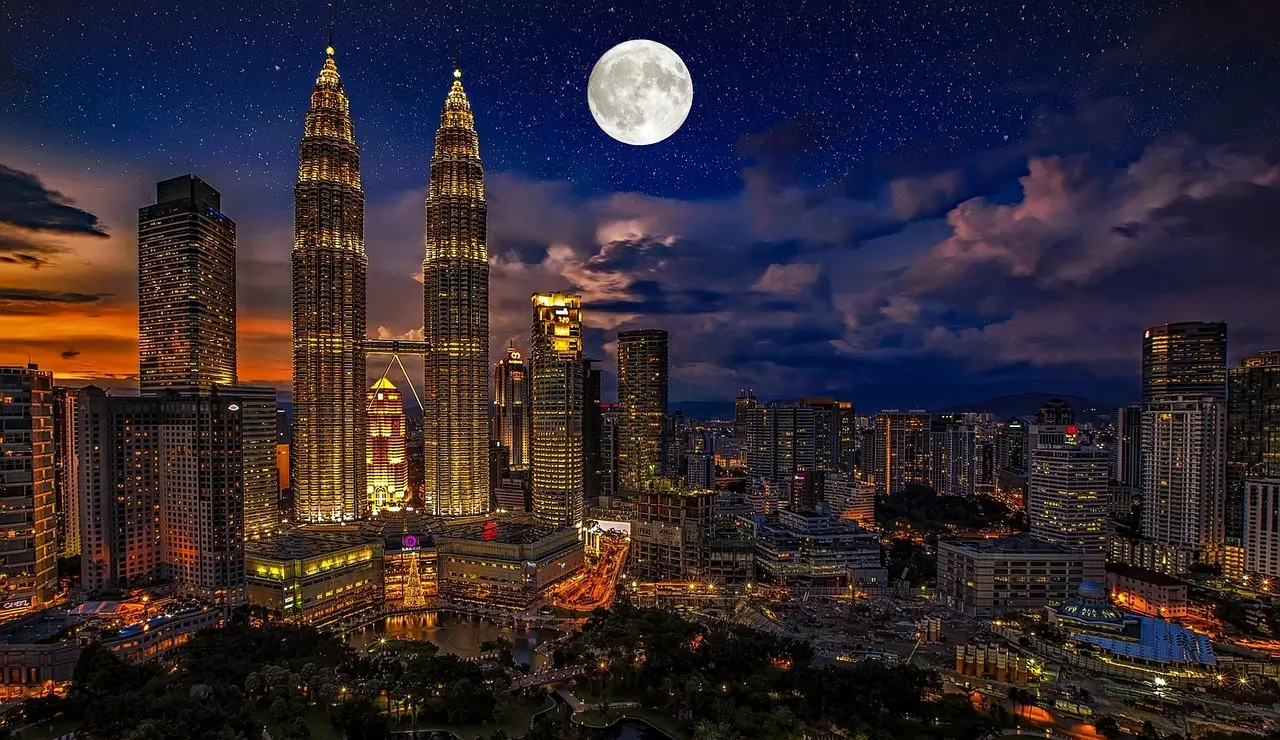
Picture this: you’re sipping coconut water on pristine beaches while towering limestone cliffs stretch behind you, then hours later you’re navigating bustling night markets where the aroma of char kway teow fills the air, and by evening you’re gazing up at the illuminated Petronas Towers piercing Kuala Lumpur’s skyline. This is Malaysia – a country where ultra-modern cities coexist with ancient rainforests, where you can island-hop through crystal-clear waters in the morning and explore UNESCO World Heritage sites by afternoon.
But here’s the question on every traveler’s mind: Is Malaysia safe to visit in 2025? The short answer is a resounding yes, with some important caveats we’ll explore. Malaysia has emerged as one of Southeast Asia’s most rewarding destinations, offering incredible diversity at a fraction of the cost you’d expect. From the urban sophistication of Kuala Lumpur to the untouched wilderness of Borneo’s rainforests, Malaysia presents a fusion of cultures, landscapes, and experiences that few countries can match.
Table of Contents
- Is It Safe to Travel to Malaysia?
- How Much Does It Cost to Travel to Malaysia?
- Hidden Gems: Under Malaysia Travelers’ Radar
- Cultural and Historical Insights into Malaysia
- One-Week Optimized Malaysia Itinerary
- Transportation Options in Malaysia
- Frequently Asked Questions (FAQs)
Is It Safe to Travel to Malaysia?
Is Malaysia safe to visit in 2025? Based on current government advisories, Malaysia maintains a strong safety record for tourists, with most international governments rating it at normal precautionary levels. The country’s well-developed infrastructure, English-speaking population, and tourist-friendly policies make it particularly welcoming for international visitors.
Overall Safety Landscape
Malaysia generally provides a secure environment for travelers. Crime rates against tourists remain relatively low, and the country’s diverse population is accustomed to international visitors. However, like any destination, awareness and basic precautions enhance your safety.
The primary area requiring increased caution is eastern Sabah state in Malaysian Borneo. Government warnings specifically mention the eastern area of Sabah State due to kidnapping concerns, with risks including kidnappings-for-ransom, criminal violence, and terrorist activities that may target tourist resorts or boats carrying tourists.
Safety for Different Traveler Types
Solo Female Travelers: Malaysia is generally considered safe for women traveling alone. The country’s multicultural society is relatively progressive, and solo female travelers regularly navigate Malaysia without incident. Key precautions include dressing modestly, particularly in conservative and rural areas, avoiding isolated areas after dark, and staying in well-reviewed accommodations.
LGBTQ+ Visitors: Malaysia’s laws regarding LGBTQ+ issues are complex and restrictive. While enforcement varies, discretion is advised. Major cities like Kuala Lumpur tend to be more tolerant than rural areas, but public displays of affection should be avoided regardless of orientation.
Family Travelers: Malaysia excels as a family-friendly destination. The country’s infrastructure supports families well, with reliable healthcare, safe transportation options, and numerous family-oriented attractions. Children are welcomed warmly in Malaysian culture.
Avoiding Common Tourist Scams
Malaysian tourist scams typically involve overpriced tours, fake police checkpoints, and inflated taxi fares. Always use metered taxis or ride-hailing apps like Grab, book tours through reputable operators, and be cautious of unsolicited help at ATMs or tourist sites.
Weather-Related Safety
Malaysia’s tropical climate brings monsoon seasons that vary by region. West coast monsoons occur from September to March, while east coast monsoons happen from November to February. Plan accordingly, as heavy rains can disrupt transportation and outdoor activities.
Legal Considerations
Always carry your passport, as identification checks are common. Dress modestly, particularly in conservative and rural areas, as you may be refused entry to places of worship or government offices without proper attire covering shoulders and knees.
Malaysia maintains strict drug laws with severe penalties, including death sentences for trafficking. Even small amounts of certain substances can result in serious charges.
Emergency Contacts and Travel Insurance
Essential emergency contacts include:
- Police: 999
- Tourist Police: +603-2149 6590
- Medical Emergency: 999
Comprehensive travel insurance is strongly recommended, covering medical evacuation, trip cancellation, and activities like diving or jungle trekking.
How Much Does It Cost to Travel to Malaysia?
How much does it cost to visit Malaysia in 2025? Malaysia offers exceptional value for money, making it accessible for budget backpackers while providing luxury options for those seeking premium experiences. A one-week trip to Malaysia for two people costs, on average, $1,388 (RM5,894), including accommodation, food, local transportation, and sightseeing.
Daily Budget Breakdown
Budget Travelers ($30-50/day):
- Accommodation: $8-15/night in hostels or budget hotels
- Food: $5-8/day eating at hawker centers and local stalls
- Transportation: $2-5/day using public transport
- Activities: $5-10/day for temples, markets, and free attractions
Mid-Range Travelers ($50-100/day):
- Accommodation: $20-40/night in comfortable hotels or boutique guesthouses
- Food: $10-20/day mixing local restaurants with international cuisine
- Transportation: $5-15/day including occasional taxis and intercity buses
- Activities: $15-30/day for tours, national parks, and cultural sites
Luxury Travelers ($100+/day):
- Accommodation: $50+/night in high-end hotels and resorts
- Food: $25+/day in upscale restaurants and hotel dining
- Transportation: $20+/day for private transfers and car rentals
- Activities: $40+/day for premium tours, spa treatments, and exclusive experiences
Accommodation Costs
Budget hotels or hostels in Malaysia can cost between $10 to $30 per night. Dormitory beds in backpacker hostels start around $5-8/night, while private rooms in guesthouses range from $15-25/night. Mid-range hotels typically cost $30-60/night, and luxury resorts can exceed $100/night, particularly on popular islands.
Food Expenses
Malaysia’s diverse culinary scene offers incredible value. Street stalls provide delicious hawker food and meals that cost just a few bucks. A typical hawker center meal costs $1-3, while restaurant meals range from $5-15. International cuisine in upscale areas can cost $15-30+ per meal.
Transportation Costs
Public transportation systems in cities like Kuala Lumpur and Penang are efficient and affordable, with fares typically ranging from MYR 1 to MYR 10 depending on distance. One-way subway or train tickets range from $0.50 to $1.50.
Long-distance buses cost $5-15 for intercity routes, while domestic flights on budget carriers like AirAsia can range from $25-80 depending on the destination and booking timing.
Peninsular vs East Malaysia Costs
Peninsular Malaysia generally offers lower costs than East Malaysia (Sabah and Sarawak). Borneo’s remote locations and limited infrastructure result in higher prices for accommodation, food, and tours. Expect to pay 20-50% more in East Malaysia, particularly for organized tours and island activities.
Money-Saving Tips
- Eat at hawker centers and local warungs
- Use public transportation instead of taxis
- Book accommodation in advance for better rates
- Travel during shoulder seasons (April-May, September-October)
- Take advantage of free walking tours and temple visits
- Shop at local markets rather than tourist-oriented stores
Hidden Gems: Under Malaysia Travelers’ Radar
While Kuala Lumpur, Penang, and Langkawi dominate most Malaysia itineraries, the country harbors countless lesser-known destinations that offer authentic experiences away from crowds. These hidden gems showcase Malaysia’s natural beauty and cultural depth without the tourist saturation of mainstream attractions.
Perhentian Islands
Located off the northeast coast, the Perhentian Islands remain blissfully undeveloped compared to other Malaysian beach destinations. Crystal-clear waters, vibrant coral reefs, and pristine beaches make this a snorkeling and diving paradise. The islands maintain a laid-back atmosphere with simple beach huts and local-run restaurants.
How to reach: Fly to Kota Bharu, then take a bus to Kuala Besut jetty for the 45-minute boat ride.
Why it’s special: Unspoiled coral reefs, sea turtle nesting sites, and authentic island life without resort development.
Ipoh’s Colonial Charm
Once the world’s largest tin-mining center, Ipoh has reinvented itself as a cultural hub while preserving its colonial architecture. The old town features stunning murals, heritage buildings, and some of Malaysia’s best coffee culture. Cave temples surrounding the city add spiritual dimensions to visits.
How to reach: Direct train from Kuala Lumpur (2.5 hours) or drive via the North-South Highway.
Why it’s special: Authentic Peranakan culture, cave temples, incredible local food scene, and colonial architecture without tourist crowds.
Kundasang, Sabah
Perched at 1,560 meters above sea level, Kundasang offers cool mountain air and spectacular views of Mount Kinabalu. This highland town provides access to Kinabalu National Park while maintaining an authentic local atmosphere. The area produces some of Malaysia’s best vegetables and offers unique mountain resort experiences.
How to reach: Fly to Kota Kinabalu, then drive 90 minutes through scenic mountain roads.
Why it’s special: Mount Kinabalu views, cool climate, local markets, and authentic Kadazan-Dusun culture.
Mulu National Park, Sarawak
Home to the world’s largest cave chamber and extensive cave systems, Mulu represents one of Earth’s most spectacular underground worlds. The park features over 295 kilometers of explored caves, including the famous Deer Cave and Clearwater Cave. Above ground, pristine rainforest harbors incredible biodiversity.
How to reach: Fly from Miri or Kota Kinabalu to Mulu Airport, then transfer to park accommodation.
Why it’s special: World’s largest cave passage, millions of bats emerging at sunset, pristine rainforest, and indigenous Penan culture.
Taman Negara
One of the world’s oldest rainforests, Taman Negara spans 4,343 square kilometers of pristine jungle. The park offers canopy walks, river cruises, jungle trekking, and wildlife spotting opportunities. Despite its significance, it remains less visited than it deserves, particularly the Pahang section.
How to reach: Bus from Kuala Lumpur to Jerantut, then boat upriver to park headquarters.
Why it’s special: 130-million-year-old rainforest, canopy walkway, indigenous Orang Asli culture, and diverse wildlife including tigers and elephants.
Kuching, Sarawak
Often overshadowed by Sabah, Kuching offers incredible cultural diversity with its blend of Malay, Chinese, Indian, and Dayak influences. The city serves as a gateway to Bako National Park and traditional longhouses while providing excellent food and cultural experiences.
How to reach: Direct flights from Kuala Lumpur, Singapore, and other Southeast Asian cities.
Why it’s special: Authentic cultural mixing, proboscis monkeys at Bako National Park, traditional crafts, and some of Malaysia’s best laksa.
Redang Island Marine Park
While Redang attracts visitors, many overlook its incredible marine biodiversity beyond resort areas. The island features some of Malaysia’s best diving sites with visibility often exceeding 30 meters. Coral gardens and diverse marine life make it exceptional for underwater enthusiasts.
How to reach: Fly to Kuala Terengganu, then drive to Merang jetty for boat transfers.
Why it’s special: Pristine coral reefs, excellent diving visibility, sea turtle conservation programs, and less commercialized than Langkawi.
Cultural and Historical Insights into Malaysia
Malaysia’s identity emerges from a remarkable fusion of Malay, Chinese, Indian, and indigenous cultures, creating a society where multiple languages, religions, and traditions coexist harmoniously. This multicultural tapestry makes Malaysia unique in Southeast Asia and provides travelers with incredibly rich cultural experiences.
Malaysia’s Multicultural Heritage
The foundation of Malaysian culture rests on four main pillars: Malay traditions forming the constitutional basis, Chinese heritage brought by centuries of trade and immigration, Indian influences spanning Tamil, Punjabi, and other regional cultures, and indigenous peoples including over 50 distinct groups across Peninsular Malaysia and Borneo.
This cultural mixing manifests in daily life through food fusion, architectural styles, religious festivals, and language usage. Bahasa Malaysia serves as the national language, but English remains widely spoken, with Chinese dialects, Tamil, and indigenous languages preserving cultural identity.
Cultural Etiquette and Customs
Greetings: Traditional Malay greetings involve slight bowing with hands pressed together, though handshakes are common in business contexts. When meeting Muslims during prayer times or Ramadan, show respect by lowering voices and avoiding eating in public.
Dress Codes: Modesty is appreciated throughout Malaysia, particularly in religious sites and rural areas. Cover shoulders and knees when visiting mosques, temples, or government buildings. Remove shoes before entering homes, religious buildings, and some traditional establishments.
Religious Sensitivity: Malaysia’s official religion is Islam, but the constitution guarantees religious freedom. During Ramadan, show respect by not eating, drinking, or smoking in public during daylight hours. When visiting mosques, women must cover hair and wear long sleeves and pants.
Social Customs: Malaysians value harmony and face-saving. Direct confrontation is avoided, and patience is appreciated. Pointing with the index finger is considered rude; use an open hand instead. The left hand is considered unclean, so use your right hand for greetings, eating, and giving/receiving items.
Historical Context: Malaysia in the 1940s
The 1940s represent a pivotal decade in Malaysian history, marked by Japanese occupation (1942-1945) and the beginnings of independence movements. During this period, Malaysia experienced significant hardships under Japanese rule, including forced labor, resource exploitation, and cultural suppression.
The decade also saw the emergence of multi-racial cooperation against occupying forces, laying groundwork for Malaysia’s eventual multicultural society. Chinese, Malay, and Indian communities worked together in resistance movements, creating bonds that would influence post-independence nation-building.
Post-war reconstruction in the late 1940s brought British attempts to reorganize colonial administration through the Malayan Union proposal, which sparked the first major Malay political movement. This period established patterns of ethnic politics that continue influencing Malaysian society today.
Black Travel in Malaysia
Malaysia welcomes travelers of all ethnicities, and Black travelers generally report positive experiences throughout the country. The nation’s multicultural society and history of international trade create an environment of cultural acceptance and curiosity rather than hostility.
However, like many countries, Malaysia is not entirely free from racial prejudices. Black travelers might occasionally encounter stares or comments, particularly in rural areas where international visitors are less common. These interactions typically stem from curiosity rather than malice, as Malaysia’s Black population is relatively small.
Urban areas like Kuala Lumpur, Penang, and Johor Bahru offer the most diverse and internationally minded environments. The country’s significant African student population, particularly in Kuala Lumpur, has created some cultural bridges and familiarity.
Malaysian hospitality culture emphasizes respect for guests regardless of background, and the tourism industry actively promotes inclusivity. Most hotels, restaurants, and tour operators maintain professional, welcoming attitudes toward all visitors.
Religious and Festival Calendar
Malaysia’s multicultural nature creates a year-round festival calendar:
Islamic Festivals: Hari Raya Aidilfitri (Eid), Hari Raya Haji, and Maulidur Rasul Chinese Festivals: Chinese New Year, Mid-Autumn Festival, and Dragon Boat Festival
Hindu/Indian Festivals: Deepavali, Thaipusam, and Holi Christian Festivals: Christmas and Easter Indigenous Festivals: Gawai (Sarawak) and Kaamatan (Sabah)
These celebrations offer incredible opportunities to experience authentic Malaysian culture through food, music, dance, and religious ceremonies.
Language Landscape
Malaysia’s linguistic diversity reflects its cultural complexity. Bahasa Malaysia functions as the national language and is used in government, education, and formal contexts. English serves as a strong second language, particularly in business, tourism, and urban areas.
Chinese communities maintain various dialects including Mandarin, Hokkien, Teochew, and Hakka. Indian communities speak Tamil, Hindi, Malayalam, and other regional languages. Indigenous groups preserve over 100 distinct languages and dialects across the country.
This multilingual environment means most Malaysians speak at least two languages fluently, with many speaking three or more. Code-switching between languages within single conversations is common and reflects the natural cultural mixing that defines Malaysian identity.
One-Week Optimized Malaysia Itinerary
This carefully crafted 7-day Malaysia itinerary maximizes your experience while minimizing travel time and costs. The route covers Malaysia’s essential highlights while allowing time to appreciate each destination’s unique character.
Day 1-2: Kuala Lumpur – Urban Introduction
Day 1: Arrive at Kuala Lumpur International Airport and take the KLIA Express (33 minutes, $12) to KL Sentral. Check into accommodation in Bukit Bintang or Chinatown areas. Afternoon exploration of Merdeka Square, Sultan Abdul Samad Building, and KL City Gallery. Evening visit to Petronas Twin Towers and KLCC Park.
Day 2: Morning visit to Batu Caves (45 minutes by train, $1). Return for lunch in Chinatown, followed by Central Market shopping and Sri Mahamariamman Temple. Afternoon at Islamic Arts Museum. Evening food tour through Jalan Alor night market.
Accommodation: Budget – Reggae Mansion ($15/night), Mid-range – Hotel Stripes ($40/night) Transport: KL city day pass ($2), Grab rides $3-8 per trip
Day 3-4: Penang – Cultural Heritage
Day 3: Morning flight to Penang ($25-40) or bus (4.5 hours, $8). Check into Georgetown accommodation. Afternoon UNESCO World Heritage walking tour including Khoo Kongsi, Pinang Peranakan Mansion, and street art hunting. Evening at Gurney Drive hawker center.
Day 4: Morning cooking class (half-day, $35). Afternoon at Penang Hill via funicular railway ($3) and Kek Lok Si Temple. Evening exploring Armenian Street and Lebuh Chulia.
Accommodation: Budget – Ryokan Chic Hostel ($12/night), Mid-range – Campbell House ($35/night) Transport: City bus day pass ($1), trishaw rides $5-10
Day 5-6: Langkawi – Island Paradise
Day 5: Morning flight from Penang to Langkawi (1 hour, $30-50). Rent scooter ($8/day) or car ($25/day). Check into Pantai Cenang accommodation. Afternoon at Cenang Beach and Underwater World ($8 entry). Sunset at Pantai Tengah.
Day 6: Full-day island hopping tour ($15-25) including Eagle Watching, Pregnant Maiden Lake, and Pulau Dayang Bunting. Afternoon snorkeling and beach time. Evening at Night Market and sunset cable car ride ($10).
Accommodation: Budget – Zackry Guesthouse ($18/night), Mid-range – Bella Vista Express ($45/night) Transport: Scooter rental, ferry tickets included in tours
Day 7: Cameron Highlands – Mountain Retreat
Day 7: Morning flight from Langkawi to Kuala Lumpur, then bus to Cameron Highlands (3.5 hours total, $45). Alternative: Direct bus from Langkawi to Cameron Highlands (6 hours, $25). Check into Tanah Rata accommodation. Afternoon tea plantation tour and strawberry farm visits. Evening exploration of night market.
Alternative Day 7 – Malacca: Bus from Langkawi to Malacca (5 hours, $20). Walking tour of UNESCO sites including Christ Church, Stadhuys, and Jonker Street. Trishaw tour and river cruise. Evening at Jonker Walk Night Market.
Cameron Accommodation: Budget – Daniel Lodge ($15/night), Mid-range – Smokehouse Hotel ($65/night) Malacca Accommodation: Budget – Ringo’s Foyer Guest House ($12/night), Mid-range – Hotel Equatorial ($38/night)
Transportation Between Cities
- Kuala Lumpur to Penang: Flight (1.5 hours, $25-40) or bus (4.5 hours, $8-12)
- Penang to Langkawi: Flight (1 hour, $30-50) or ferry (2.5 hours, $8)
- Langkawi to Cameron Highlands: Flight to KL + bus (4 hours total, $60) or direct bus (6 hours, $25)
- Cameron Highlands to KL Airport: Bus (4 hours, $15)
Budget Summary for 7 Days
Budget Traveler: $280-350 total Mid-Range Traveler: $450-600 total
Luxury Traveler: $800+ total
This itinerary provides a comprehensive Malaysia introduction while remaining flexible for personal interests and budget constraints.
Transportation Options in Malaysia
Malaysia’s well-developed transportation infrastructure makes getting around efficient and affordable. The country offers various options suitable for different budgets and travel styles, from high-speed trains to budget airlines and traditional buses.
Air Travel
Malaysia Airlines: Full-service national carrier offering domestic routes between major cities and international connections. Expect higher prices but better service and baggage allowances.
AirAsia: Low-cost carrier dominating domestic routes with frequent flights between Kuala Lumpur, Penang, Langkawi, Kota Kinabalu, Kuching, and other destinations. Book early for best prices ($25-80 for domestic flights).
Batik Air Malaysia: Hybrid carrier offering competitive prices with slightly more services than pure budget airlines.
Airports: Kuala Lumpur has two airports – KLIA/KLIA2 for international and domestic flights, and Subang for some domestic routes. Other major airports include Penang, Langkawi, Kota Kinabalu, and Kuching.
Train Services
KLIA Express: Direct airport train connecting KLIA to KL Sentral (33 minutes, $12). Most convenient airport transfer option.
ETS (Electric Train Service): High-speed rail connecting Kuala Lumpur to northern destinations including Ipoh, Taiping, and Butterworth (Penang). Comfortable and punctual service.
KTM Intercity: Traditional train service connecting major cities across Peninsular Malaysia. Slower than buses but more comfortable for long distances.
Urban Rail: Kuala Lumpur features extensive LRT, MRT, and monorail systems. Day passes available for unlimited travel ($2-3).
Bus Transportation
Express Bus Services: Comfortable long-distance buses connecting all major cities. Companies like Plusliner, Transnasional, and KKKL offer air-conditioned coaches with reclining seats.
Prices: Kuala Lumpur to Penang ($8-12), KL to Cameron Highlands ($8), KL to Malacca ($5-8)
Terminals: Major cities have central bus terminals (Terminal Bersepadu Selatan in KL, Sungai Nibong in Penang)
Ride-Hailing and Taxis
Grab: Dominant ride-hailing app throughout Malaysia. Offers various vehicle categories from budget GrabCar to premium GrabCar Plus. Generally cheaper and more reliable than traditional taxis.
Traditional Taxis: Available but often don’t use meters. Negotiate prices beforehand or insist on meter usage. Airport taxis use fixed-price coupons.
Prices: City rides typically cost $2-8 via Grab, while airport transfers range from $8-25 depending on distance.
Car Rentals
International Companies: Hertz, Avis, and Budget operate in major cities and airports.
Local Companies: Often cheaper alternatives with good vehicle conditions.
Requirements: International driving permit required. Minimum age typically 21-23 depending on company.
Costs: Economy cars start around $25-35/day, including basic insurance.
Driving Conditions: Well-maintained highways with tolls. Urban traffic can be heavy during rush hours. Parking in city centers requires payment during business hours.
Ferry Services
Langkawi-Penang: Regular ferry services connecting these popular destinations (2.5 hours, $8-12)
Island Services: Boats to Perhentian Islands, Tioman Island, and other coastal destinations
Schedules: Weather-dependent, with reduced services during monsoon seasons
Motorcycle and Scooter Rentals
Popular in tourist destinations like Langkawi, Penang, and Cameron Highlands. Rental costs range from $4-8 per day depending on the age and model of bike and rental duration, not including gas which costs around $2 per gallon.
Requirements: Motorcycle license and helmet use mandatory
Public Transportation in Cities
Kuala Lumpur: Comprehensive rail network (LRT, MRT, Monorail) plus buses. Very reasonable fares ranging from MYR 1 to MYR 10 depending on distance.
Penang: Free shuttle buses in Georgetown, paid bus services to other areas, and ferry to mainland Malaysia.
Other Cities: Most cities have basic bus services, though quality and frequency vary.
Navigation and Maps
Google Maps: Generally reliable for driving directions and public transport
Waze: Popular among locals for real-time traffic updates
Malaysia Travel Maps: Physical maps available at tourist information centers
Offline Apps: Download offline maps before visiting rural areas with limited connectivity
Transportation Tips
- Book flights and buses online for better prices and seat selection
- During Malaysian holidays, transportation fills up quickly – book early
- KLIA Express offers online check-in for Malaysia Airlines flights
- Keep small bills for toll roads and parking
- Grab often cheaper than taxis, especially from airports
- Train services generally more punctual than buses
- Ferry schedules can change due to weather – check before traveling
Frequently Asked Questions (FAQs)
Is Malaysia safe for tourists in 2025?
Yes, Malaysia maintains strong safety records for tourists in 2025. Most government advisories recommend exercising normal precautions in Malaysia, with increased caution only in the eastern area of Sabah State due to kidnapping concerns. The country’s well-developed infrastructure, English-speaking population, and tourist-friendly policies create a welcoming environment for international visitors.
How much does a trip to Malaysia cost?
On average, a day in Malaysia costs around $80, covering accommodation, transportation, food, and activities. Budget travelers can manage expenses as low as $30 per day, while a more comfortable ‘flashpacker’ budget could be around $50 or more per day. Budget travelers can expect a daily budget of $30 to $50 for accommodation, food, transportation, and activities, while mid-range travelers typically spend around $70 to $100 per day.
What is the best time to visit Malaysia?
Malaysia’s tropical climate makes it a year-round destination, but timing depends on your planned activities and destinations. Generally, April-May and September-October offer the best weather across the country. Avoid the east coast during monsoon season (November-February) if you plan beach activities. West coast destinations are best avoided during their monsoon period (September-March), though rainfall is typically less severe.
Is Malaysia safe for solo female travelers?
Yes, Malaysia is generally considered safe for solo female travelers. The country’s multicultural society is relatively progressive, and women regularly travel alone throughout Malaysia without incident. Key precautions include dressing modestly (especially in conservative and rural areas), avoiding isolated areas after dark, staying in well-reviewed accommodations, and using reputable transportation options like Grab instead of unmarked taxis.
How do I travel between Malaysian islands?
Island hopping in Malaysia typically involves flying or taking ferries. Popular routes include:
- Langkawi-Penang: Ferry services (2.5 hours, $8-12) or flights (1 hour, $30-50)
- Mainland to Perhentian Islands: Bus to Kuala Besut, then boat (45 minutes total)
- Mainland to Tioman: Bus to Mersing, then ferry
- East Malaysia: Flights are most practical for reaching Sabah and Sarawak islands
Ferry schedules depend on weather conditions and may be reduced during monsoon seasons.
Do I need a visa to visit Malaysia in 2025?
Visa requirements depend on your nationality:
- Visa-free: Citizens of most Western countries, Japan, South Korea, and many others can enter Malaysia visa-free for 30-90 days depending on nationality
- eVisa: Some nationalities can apply for electronic visas online
- Visa on arrival: Available for certain countries at approved entry points
- Prior visa required: Citizens of some countries must obtain visas before travel
Check with Malaysian embassies or consulates for current requirements based on your nationality.
What vaccinations do I need for Malaysia?
No vaccinations are mandatory for Malaysia unless you’re arriving from yellow fever endemic countries. However, recommended vaccinations include:
- Routine vaccines (MMR, DPT, flu, COVID-19)
- Hepatitis A and B
- Typhoid (especially if visiting rural areas)
- Japanese Encephalitis (for extended rural stays)
- Malaria prophylaxis may be recommended for certain jungle areas
Consult travel medicine specialists at least 4-6 weeks before departure.
Can I drink tap water in Malaysia?
While tap water is generally treated and safe in major cities, most travelers prefer bottled water to avoid potential stomach upset. Bottled water is widely available and inexpensive. In rural areas or on islands, bottled water is strongly recommended. Ice in restaurants and hotels in tourist areas is typically made from treated water.
What should I pack for Malaysia?
Essential items include:
- Light, breathable clothing for hot, humid weather
- Modest clothing for religious sites and conservative areas
- Light rain jacket or umbrella for sudden tropical showers
- Comfortable walking shoes and sandals
- Strong sunscreen (SPF 30+ minimum)
- Insect repellent containing DEET
- Power adapter (Type G – three rectangular pins)
- Basic first aid supplies and any personal medications
How do I handle money in Malaysia?
Malaysia’s currency is the Malaysian Ringgit (MYR). Credit cards are widely accepted in cities, hotels, and tourist areas, but cash remains important for hawker centers, street food, local transportation, and rural areas. ATMs are common in urban areas. Notify your bank of travel plans to avoid card blocks. US Dollars and Euros can be exchanged at banks and money changers in tourist areas.
Conclusion
Malaysia in 2025 emerges as one of Southeast Asia’s most compelling destinations, combining safety, affordability, and incredible diversity in a package that few countries can match. Is Malaysia safe to visit in 2025? Absolutely – with normal precautions and awareness of specific regional considerations, travelers consistently report positive, secure experiences throughout this remarkable country.
From the ultra-modern sophistication of Kuala Lumpur’s skyline to the untouched wilderness of Borneo’s ancient rainforests, Malaysia offers experiences that satisfy every type of traveler. Budget backpackers can explore the country for under $40 per day, while those seeking luxury find world-class resorts and experiences that rival any global destination.
The country’s multicultural identity creates a unique cultural tapestry where Islamic traditions blend seamlessly with Chinese heritage, Indian influences, and indigenous wisdom. This fusion manifests in everything from the incredible street food scene to architectural marvels that tell stories of centuries-old trade routes and cultural exchange.
Whether you’re seeking adventure in pristine rainforests, relaxation on tropical islands, cultural immersion in historic cities, or culinary adventures that span continents, Malaysia delivers experiences that linger long after you return home. The hidden gems we’ve explored – from the Perhentian Islands’ untouched reefs to Ipoh’s colonial charm – represent just a fraction of what awaits discovery.
From vibrant cities to untouched jungles, Malaysia isn’t just a destination — it’s a fusion of worlds waiting to be explored. Pack your sense of adventure, bring your curiosity, and prepare for a country that will challenge every preconception while exceeding every expectation.