



Introduction: A Must-Visit Marvel
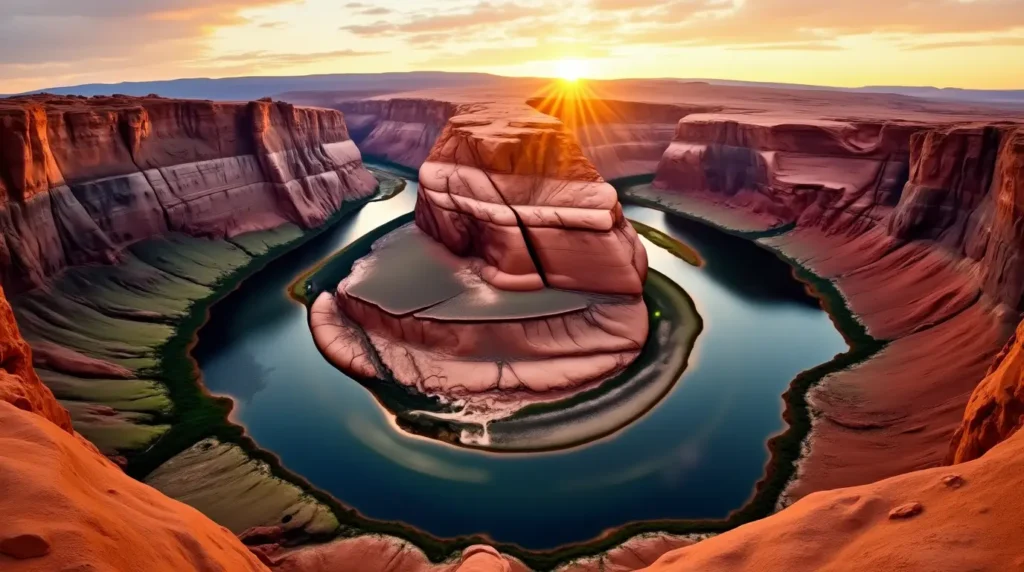
Horseshoe Bend, located near Page, Arizona, is one of the most captivating natural wonders in the United States, drawing countless visitors every year. Formed by the relentless meandering of the Colorado River, this iconic bend showcases a spectacular view that seems almost otherworldly. The sheer scale of the sandstone walls combined with the vibrant hues of the river creates a scene that is not only picturesque but deeply moving. Many travelers recount an emotional response upon their first glimpse of the bend, marked by awe and appreciation for nature’s artistry.
As visitors approach the viewpoint, the anticipation builds with each step. The short hike leading to the overlook is marked by expansive views of the desert landscape, providing a perfect appetizer for what lies ahead. Upon reaching the edge, the sight of the river twisting dramatically through the canyon is often described as breathtaking. The rich colors of the canyon walls, ranging from deep oranges to subtle purples, contrast beautifully with the deep blue of the waters, creating a stunning palette that feels almost painted. Photographers especially cherish this location, taking advantage of the high vantage point to capture incredible panoramic shots.
Beyond just the visual splendor, Horseshoe Bend offers an opportunity for personal reflection and connection with nature. Many visitors find solace in the tranquility of the site, making it a perfect spot for a moment of mindfulness amidst the beauty. The wondrous atmosphere invites travelers to engage, not just with their surroundings but also with others, fostering a sense of community among those who gather to appreciate this marvel. Thus, Horseshoe Bend stands not only as a breathtaking visual destination but also as an unforgettable experience that leaves a lasting impression on all who visit.
Where is Horseshoe Bend?
Horseshoe Bend is a stunning natural formation located in the Northern Arizona region, specifically within the boundary of the Grand Canyon National Park. This iconic site can be found approximately 1,000 feet above the Colorado River, which carves its way through the landscape, creating a distinctive horseshoe-shaped bend. The formation is situated about 5 miles southwest of the town of Page, making it easily accessible for visitors traveling across the expansive Arizona terrain. The nearest major city is Flagstaff, which lies roughly 130 miles to the south, offering various routes for those exploring this breathtaking area.
To reach Horseshoe Bend, travelers typically traverse U.S. Route 89. Along this route, they will encounter several key landmarks, including the Glen Canyon Dam, which provides hydroelectric power and creates Lake Powell just a few miles upstream from Horseshoe Bend. This proximity to both the dam and the lake enhances the allure of the region, as visitors can partake in various recreational activities nearby.
In the broader context of Arizona, Horseshoe Bend is nestled among a series of geological wonders that define the landscape. The surrounding area features diverse terrain, ranging from the towering cliffs of the Grand Canyon to the serene waters of Lake Powell. The vivid colors of the sandstone and unique rock formations contribute to the scenic beauty that this region is renowned for. Furthermore, visitors to Horseshoe Bend often experience an awe-inspiring sunset as the sun casts warm hues across the rocks and the river below, creating an unforgettable sight.
Best Time to Visit
When planning a trip to Horseshoe Bend, timing is essential for maximizing your experience. The ideal times to visit this stunning geological formation are during the spring and fall months, specifically from March to May and September to November. These periods offer pleasant weather, with daytime temperatures ranging from the mid-60s to low 80s Fahrenheit, creating comfortable conditions for hiking and photography.
Visiting during these shoulder seasons also means fewer crowds compared to the peak summer months. This is significant, as Horseshoe Bend attracts a large number of visitors, particularly from late June to early August. During this peak season, temperatures can soar to over 100 degrees Fahrenheit, causing discomfort and potentially limiting the time spent exploring the area. Moreover, the large influx of tourists can lead to longer wait times and a less tranquil experience.
In addition to the weather benefits, each season offers unique attractions. Spring brings blooming wildflowers and vibrant summer sunsets, while fall showcases stunning fall foliage along the Colorado River. These seasonal changes enhance the visual allure of Horseshoe Bend, offering photographers and nature enthusiasts a myriad of captivating subjects to explore and capture. Regardless of the season, it is advisable to arrive early in the morning or later in the afternoon to enjoy the golden hours for photography, which provides soft, diffused light and fewer visitors.
Ultimately, planning your visit to Horseshoe Bend around these ideal times can significantly enhance your experience. Whether you are captivated by the natural beauty or seeking an adventure, choosing the right time of year allows you to enjoy the iconic scenery and the serene environment that Horseshoe Bend has to offer.
How to Get There
Visiting Horseshoe Bend, a stunning natural rock formation overlooking the Colorado River, requires a bit of planning. Located approximately 5 miles south of Page, Arizona, it is accessible by road from several major cities. For visitors traveling from Las Vegas, Nevada, the journey spans about 275 miles and typically takes around four and a half hours. You would begin by taking US-93 South and then merging onto I-40 East, before taking exit 195 for US-89 North, which leads directly to Page.
If you’re coming from Phoenix, Arizona, the distance is about 275 miles as well, with an approximate travel time of four hours. The recommended route involves taking I-17 North toward Flagstaff, then following I-40 East and US-89 North to Page. Alternatively, travelers from the Grand Canyon can enjoy the scenic drive via AZ-64 East and US-89 North, covering a distance of less than 150 miles.
Upon reaching Horseshoe Bend, visitors will find ample parking available in designated lots; however, these can fill up quickly during peak season. It is advisable to arrive early in the morning or later in the afternoon to secure a parking spot. The parking area is located about a quarter-mile from the viewpoint, which requires a short, easy hike on a well-marked trail. The trail is fairly accessible, but visitors should consider wearing appropriate footwear, as the terrain can be sandy and uneven.
Once you arrive, expect breathtaking views as you stand on the edge of the Colorado River’s dramatic curves. Remember to bring sufficient water, especially during the hotter months, and plan for varying weather conditions. Following these guidelines will ensure a hassle-free trip to this iconic landmark.
What to Expect
Visiting Horseshoe Bend, located near the Grand Canyon along the Colorado River, is an unparalleled experience that blends breathtaking natural beauty with an accessible hiking adventure. The primary attraction is the stunning viewpoint overlooking the iconic bend in the river, but visitors should be prepared for both the physical aspects of the hike and the environmental conditions they may encounter.
The trail to Horseshoe Bend is approximately 1.5 miles round trip and is considered a relatively easy hike, suitable for most fitness levels. However, there are some important factors to consider. The trail is mostly flat but can be uneven in areas with loose sand and small rocks. Beginning at the parking lot, hikers will enjoy a well-marked path that leads them to the viewpoint. While the distance may seem manageable, it is advisable to stay hydrated, particularly during the warmer months when temperatures can exceed 100°F. Carrying water is essential for a comfortable experience.
As visitors approach the viewpoint, they will find the situation changes, with viewing areas close to the edge of the cliffs. Safety is paramount; caution should be exercised when taking photos or standing near the edge. There are no railings or barriers, so those with children or those who may have difficulty with heights should remain vigilant. It is advised to wear appropriate footwear to endure the sandy terrain and protect against the sun, including hats and sunscreen.
In addition to preparation and safety measures, bringing a camera is recommended to capture the awe-inspiring scenery. Visiting during sunrise or sunset offers the most exquisite lighting to enhance photographs. The experience of Horseshoe Bend is not just about the destination; it is also about the journey and preparation that culminate in witness to one of nature’s finest sculptures.
Tips for the Best Photos
Capturing stunning photographs at Horseshoe Bend requires thoughtful preparation and an understanding of the unique landscape that can significantly enhance your images. Timing is crucial; visiting during either sunrise or sunset can provide you with the best lighting conditions. The golden hours not only soften the harshness of the midday sun but also add warm tones that truly highlight the intricate layers of rock formations and the winding Colorado River.
When considering your camera settings, selecting the appropriate aperture, shutter speed, and ISO is key. A lower ISO setting (around 100 or 200) minimizes noise and allows for clearer images, especially in the delicate light of dawn or dusk. If you are using a DSLR or mirrorless camera, a wide aperture (like f/8 to f/16) can help create the depth of field that showcases both the foreground and backdrop effectively. Using a tripod will also allow for longer exposure times without blurriness, especially in low-light settings, enabling you to fully capture the mesmerizing colors of the sky.
In terms of composition, considering the rule of thirds can lead to more dynamic images. Positioning the horizon along the top third of the frame can emphasize the curvature of the bend and the expansive sky. Leading lines, such as the river itself, draw the viewer’s eye deep into the photograph, creating a sense of depth. It’s also beneficial to explore various angles; moving slightly from the viewpoint may yield unique perspectives that enrich your portfolio. Encourage creativity by experimenting with long exposure shots to capture the flowing water or even incorporate elements such as silhouetted figures to add context.
Being patient and observant is fundamental; waiting for the right moment, such as a cloud passing or the light shifting, can result in an extraordinary photograph. Utilize these tips, and let your creativity shine as you capture the breathtaking beauty of Horseshoe Bend.
Fun Facts About Horseshoe Bend
Horseshoe Bend, located in Page, Arizona, is a striking natural formation that showcases the breathtaking beauty and geological history of the region. Formed by the mighty Colorado River, this iconic bends spans approximately 1,000 feet in length and offers panoramic views that draw visitors from around the world. The stunning shape of Horseshoe Bend is a result of thousands of years of natural erosion, where water has sculpted the sandstone cliffs, creating a serpentine curve that resembles a giant horseshoe. The area’s vibrant colors vary dramatically throughout the day, influenced by the shifting sunlight, making it a photographer’s paradise seamlessly connected to the natural world.
One intriguing fact about Horseshoe Bend is that it is a product of ongoing geological processes. The bend was carved into the landscape during the last Ice Age, approximately 5 million years ago, when the Colorado River began its winding journey through the Colorado Plateau. This remarkable timeline provides perspective on how natural forces shape our planet over eons. Moreover, the Navajo Nation considers Horseshoe Bend a sacred site, further emphasizing its cultural significance as both a landmark and a source of spiritual inspiration.
Visitors to Horseshoe Bend can experience not only its visual splendor but also enjoy recreational activities in the surrounding area. From hiking to photography, the area offers various opportunities to engage with nature. It is important to note that conservation efforts are underway to preserve the integrity of this stunning natural landmark, ensuring that future generations can witness its innate beauty. A visit to Horseshoe Bend is more than just a sightseeing trip; it is an encounter with the powerful forces of nature that have shaped this unique landscape over millennia.
Conclusion: Add Horseshoe Bend to Your Travel List
Horseshoe Bend, an iconic natural wonder located on the Colorado River, exemplifies the raw beauty of nature and promises an unforgettable experience for all visitors. This magnificent site, characterized by its sweeping curves and stunning vistas, serves as a reminder of the grandeur of Earth’s landscapes. Its unique geological formations not only captivate the eyes but also invoke a sense of tranquility and awe, marking it as a must-visit destination for travelers seeking adventure and serenity alike.
When planning your trip, consider the best times to visit Horseshoe Bend to avoid the crowds and fully immerse yourself in the natural environment. Early morning and late afternoon are ideal for witnessing the sun’s glorious rise or fall over the majestic canyon. Ensure that you carry a good camera to capture the breathtaking views, as photographs taken here are often postcard-perfect. Moreover, exploring the nearby areas can enhance your adventure; options include hiking, river rafting, and sightseeing along the beautiful shores of Lake Powell.
It is essential to keep in mind that the national park fees and travel logistics might vary, so it is advisable to check official resources or tourism websites for updated information. Whether you are an avid photographer, a nature enthusiast, or simply someone in search of peace and inspiration, Horseshoe Bend deserves a spot on your travel list. The memories you create amidst its striking formations will undoubtedly provide lasting impressions long after your visit.
Incorporating Horseshoe Bend into your travel itinerary will not only enrich your journey but also offer you a chance to witness one of nature’s most spectacular creations. For more resources on planning your adventure, including logistical details and location maps, consider visiting official park websites or travel blogs dedicated to the Grand Canyon and the surrounding areas.
Thank you for your sharing. I am worried that I lack creative ideas. It is your article that makes me full of hope. Thank you. But, I have a question, can you help me?